

Human immunodeficiency virus (HIV)
HIV is a virus that gradually attacks the immune system, which is our body’s natural defence against illness. If a person becomes infected with HIV, they will find it harder to fight off infections and diseases.
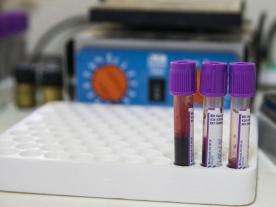
The virus destroys a type of white blood cell called a T-helper cell and makes copies of itself inside them. T-helper cells are also referred to as CD4 cells. A CD4 count is a measure of the number of CD4 cells in a sample of blood. A simple blood test can count the cells and is an indication of how healthy a person’s immune system is, and whether they need to start or change their treatment.
Acquired immune deficiency syndrome (AIDS)
AIDS is a syndrome caused by the HIV virus. It is when a person’s immune system is too weak to fight off many infections, and develops when the HIV infection is very advanced. This is the last stage of HIV infection where the body can no longer defend itself and may develop various diseases, infections and if left untreated, death.
There is currently no cure for HIV or AIDS. However, with the right treatment and support, people can live long and healthy lives with HIV. To do this, it is especially important to take treatment correctly and deal with any possible side-effects.
The above information is provided by Avert, an international HIV and AIDS charity, based in the UK, working to avert HIV and AIDS worldwide, through education, treatment and care.
Reliable sources of information
For more information on HIV and AIDS, visit these websites:
To read stories about people affected by HIV, visit our blog.