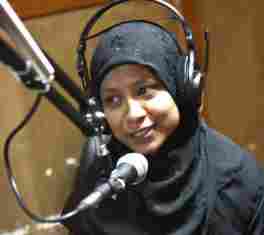
The International HIV/AIDS Alliance is recruiting citizen journalists for its Key Correspondents programme.
Ann Noon, media manager, said: “You don’t need to have a journalism background to become a correspondent, but we want people who are passionate about communicating on HIV issues, particularly those who have been affected by HIV – either personally, or through their friends, family, community or work.”
The Key Correspondents programme aims to influence HIV and broader health policy, programming and financing at a local, national and international level by supporting correspondents to report the HIV, health and human rights stories that matter to them. Applications are particularly encouraged from young people in Africa, Asia and Latin America.
Why become a Key Correspondent?
Key Correspondents are volunteers and do not get paid, but the benefits include access to bespoke mentoring and training opportunities, including the programme’s journalist toolkit. There are also occasional opportunities to pitch for paid commissioned articles for certain projects.
Ugandan Key Correspondent James Kityo said: “The program provides you with the forum to say what you see from your part of the world. As long as you are accurate, interview relevant people and use credible sources like the World Health Organization to back up what you are writing, you have an opportunity to fairly critique salient issues in the public health domain.
“But for anything you write, be ready to get feedback from any part of the world. I have got a lot of feedback about my stories and any feedback – positive or negative – will help you grow as a health reporter. When I started, I never knew this program would open me up to a range of opportunities. But I am surprised how my life has changed because of being a Key Correspondent.”
The programme supports correspondents in working to good journalistic principles and provides a platform for stories to be published through its website and social media channels. It also promotes stories with international media outlets, such as the Thompson Reuters Foundation and the Gates Foundation’s Impatient Optimists blog.
Nina Kouassi, Key Correspondent in the Ivory Coast, said: ”Joining the program introduced me to citizen journalism as another form of activism and advocacy. What I really like is that not only do I have the opportunity to tell a large audience what is going on in my community regarding HIV but most importantly I am also learning to develop my writing skills and to produce articles following journalistic standards.”
How to apply
The deadline to apply for the Key Correspondents programme is 1 September and applications must be completed online. The information required includes:
• What is your motivation for wanting to join the Key Correspondents Programme?
• Why is HIV an issue of personal importance to you?
• Details of previous experience you have of writing articles or blogging
• Details of any other skills that would be relevant, ie: photography, film making, radio reporting, social media, campaigning