



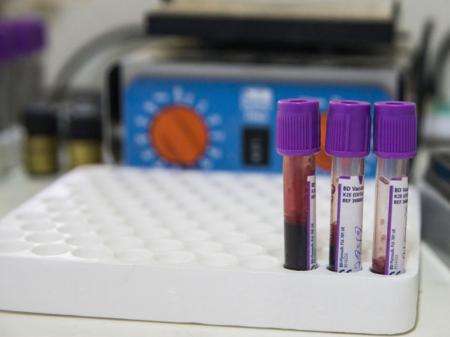
People living with HIV in rural areas of Uganda need improved access to vital medical equipment to test their levels of immunity and guide antiretroviral treatment.
The Ministry of Health has promised to equip hospitals in Uganda with CD4 count machines, which measure the number of CD4 cells (infection-fighting white blood cells) in a patient’s blood. However many hospitals have still not received them.
In Amuria district, for example, which has a population of 344,200 spread across 16 sub-counties, people have to travel more than 30 kilometres to access a CD4 count machine – for many people who don’t have or can’t afford transport, that is simply too far too walk, especially for those whose health is suffering.
Guiding treatment regimen
CD4 count machines are critical pieces of medical equipment in treating HIV. A person’s CD4 count is used to determine when to start antiretroviral therapy. It also guides the choice of drugs prescribed for HIV patients and, most importantly, helps medical staff assess each patient’s response to their treatment regimen.
For a long time, people living with HIV were enrolled into care and treatment based on the clinical stage of HIV they had reached (set out by the World Health Organization), rather than on their actual levels of immunity.
Fortunately this trend is changing and HIV positive clients are beginning treatment based on their CD4 level, determined by the latest CD4 machine technology.
Improved access in northern Uganda
Northern Uganda, which has the highest HIV prevalence in the country at 8.4 per cent, is an example of where CD4 count machines have made a big difference to people living with HIV.
The region has a number of the machines in several public hospitals, supplied by the Ministry of Health. Out of about 57 antiretroviral treatment health facilities in the sub-region, close to 30 facilities have been supplied with functional CD4 count machines and cartridges to enable them to run efficiently. This means HIV patients have been saved from the risk of starting antiretroviral treatment without having their CD4 level checked.
The Ministry of Health has come up with other strategies to improve access to CD4 count testing. One such approach is lab HUB, Uganda’s new laboratory sample transport system, which should improve laboratory services at lower level health centres. The process of implementing this must be fast-tracked to ensure that CD4 tests are easily available for all those who need them.
Read about HIV and young people