
Poverty and the need to provide for their children, is causing a rise in women turning to sex work in Zimbabwe, despite the fact the profession places them at higher risk of HIV. In March this year, Zimbabweans saw the reality of how some single mothers are driven into sex work when a short video clip went viral.
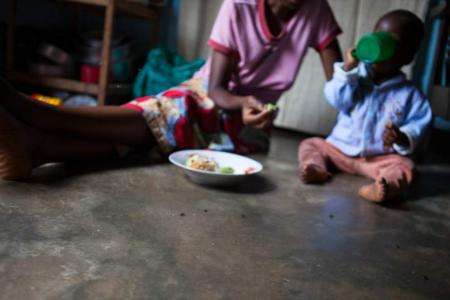
The video shows sex workers operating in daylight in a makeshift shelter. A few women, including a mother with her baby, are seen seated along a railway line waiting for prospective clients whom they charge US$2.
According to the Global Aids Response Progress Report of 2015, in Zimbabwe HIV prevalence among female sex workers is 58 per cent. And earlier this month the Guardian reported that economic decline in Zimbabwe was leading to a surge in sex work.
No other source of income
Research by Printah Printer Nkala on “Factors that influence the increase of prostitution in Bulawayo’s business centre” revealed that a sizable population of Bulawayo’s sex workers was driven by extreme poverty and lack of employment opportunities.
Ruvimbo*, a mother of two who is a sex worker, says that she turned to sex in 2011 and has no other source of income.
“My husband left me to take care of our kids alone when he went to stay with another woman and, ever since, life has been difficult for me,” she says. “I tried once to venture into selling second hand clothes but, because I did not have enough capital, my business failed and I was left stranded.
“I was introduced to this kind of life by a friend of mine who was also left by her husband the same way mine did. At first I was a bit shy because I had never done this before. But with time, I realised that I was earning a living and that’s how I was surviving. I have no other means to make sure that my children are well taken care of.”
Sexual and reproductive health needs
In October last year, three soldiers were accused of taking turns to rape a sex worker in the high density suburb of Warren Park. In other cases, sex workers meet men who refuse to wear a condom on the premise that they have paid for the service. These women are at high risk of contracting HIV.
The fact that sex work is illegal in Zimbabwe leaves women more vulnerable to rape and abuse, as some of them shun seeking help from the police in fear of being arrested.
Ruvimbo says that she is aware of the risk and has always made efforts to use protection, though some of her clients demand unprotected sex.
Lucy Stackpool-Moore, senior advisor on sexual and reproductive health and rights for the International HIV/AIDS Alliance, says: “Accessing health services can be a challenge for sex workers and services need to be provided in a way that can meet their needs – either through outreach opportunities and/or clinic opening times to fit around their work commitments. Sex workers also have family planning needs and desires, in terms of thinking about when and if they would like to have children. Respecting the complete and individual sexual and reproductive health needs of sex workers is important to keep in mind.”
Social support is vital
Gladys Madara, an HIV and gender expert, says: “Sex workers normally are at high risk of contracting HIV but there are community based efforts that can be done to assist them. We also need to create strong social support systems in which we financially assist each other so sex workers can provide for their children. These can be established through families, churches and community centres.”
Madara also says single mothers can find support through social groups that offer vocational training to prepare them for a certain trade or craft that is not capital intensive. She advised that: “These are offered best in social groups where women support each other and even offer advice to those finding it difficult to look after their children.”
Empowering young mothers
One success story of social groups targeting women is the Kidodo Young Single Mothers Association (KIYOSIMA) in Uganga.
KIYOSIMA was created in 2009 to help provide support for young single mothers, in one of the poorest neighbourhoods to the south of Kasese municipal council. It was started by a group of ten concerned single mothers under the leadership of Zelina Mbambu, who was a 19 year old mother at the time.
The group’s vision is the economic empowerment of young mothers through skills-based training, production of handicrafts and microfinance initiatives, to enable them to start small businesses. Through collective efforts, they have managed to buy sewing and knitting machines, as well as establishing a tree nursery business that can provide young single mothers with more skills and alternative opportunities to raise an income and provide for their families.
*Not her real name
Video: one young woman’s story about standing strong with HIV