HIV and wider health issues
The impact communicable, non-communicable and neglected tropical diseases have on the lives of individuals, families and communities already impacted by HIV is documented by Key Correspondents, as are issues around healthcare resourcing, health systems and universal health coverage.
The stigma, myths, rumours and attitudes those living with various diseases face is also documented, as is the action communities are taking to change the situation.
Methadone maintenance treatment should be made available in prisons
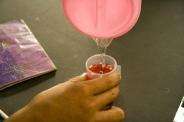
Methadone maintenance treatment should be made available to injecting drug users in prisons in Cambodia. It requires daily intake and is used to wean people who are addicted to heroin off the drug. It is considered less addictive and safer than heroin because it is administered and monitored in a regulated, clinical setting. more
Vin’s experience with drugs and HIV
Vin has no job and already feels like a disappointment to his mother and siblings. The thought of them finding out about his drug use clearly causes him even more pain. more
Childhood TB deaths could be eliminated for the price of a footballer
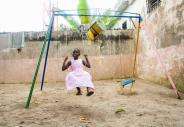
A new WHO report calls attention to the high mortality of childhood TB and the low price tag for making progress towards zero deaths. more
How revealing your HIV status to someone you trust can help
People who test HIV positive should reveal their status to those they trust so they can receive the support they need. more
New treatment option saves women from cervical cancer
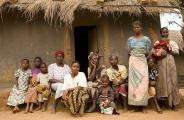
Mariam Cissé is a mother of three and living with HIV but when she arrived at Treichville Teaching Hospital in Abidjan, Ivory Coast, she was not expecting news that would cause her to fear for her life. more
Zambian beauty queen donates food to mothers and children living with HIV
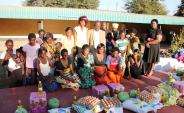
A 20 year-old model is urging people to unite to change society following a donation of K2 million (USD 500) worth of food to mothers and children living with HIV in Zambia. more
Vanishing point: where is HIV at this year’s G8 summit?
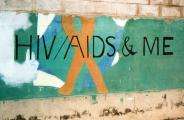
As the G8 summit kicks off on 17 June, three main priorities are being discussed: trade, tax and transparency. But where are global poverty, malnutrition and health on the agenda? more
Uganda launches project to tackle malaria
What would happen if five buses carrying 60 passengers crashed every day killing all the people on board? Malaria may be no accident but it claims the same number of Ugandans, killing 200-300 people per day – the majority of them children. more
