Incredible individuals form a platform for sharing experiences in fighting stigma, discrimination and violence against Key Populations.
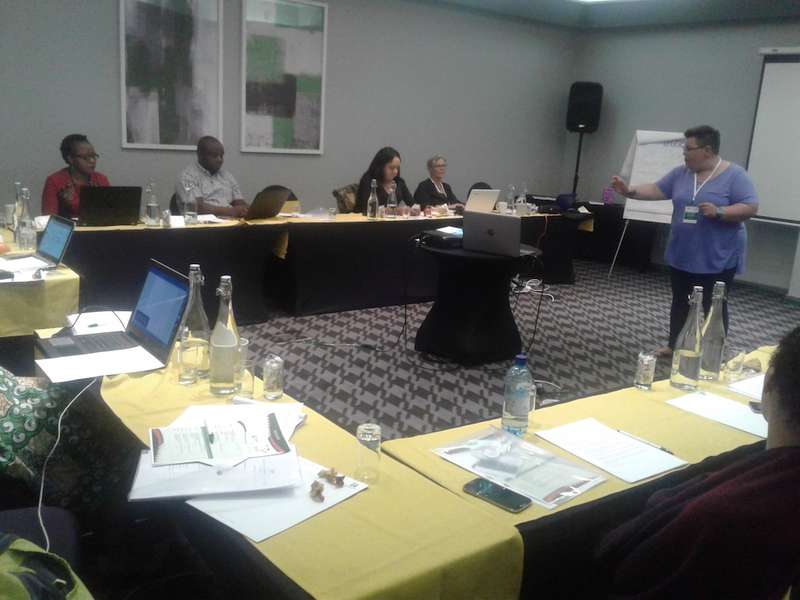
From the 29th of October to the 1st of November, 2017, the Southern African HIV and AIDS Information Dissemination Service, SAfAids, hosted a three-day workshop entitled “KP REACH: 3rd Level Regional Dialogue for Justice Sector Champions”. The workshop was the third one arranged by SAfAids with justice sector Champions, who are people in various countries in positions of power to address issues of stigma, discrimination and violence against Key Populations in their respective fields.
The primary purpose of the workshop was to bring together eight Champions to share experiences and updates on the implementation of advocacy plans. Secondly, the dialogue was set to further assess the champions’ knowledge, confidence and readiness to address stigma and discrimination as a barrier to HIV prevention, testing and treatment services for the Key Populations since the first and second level dialogues.
For the first time, SAfAids invited selected stakeholders such as National Aids Commissions, Key Populations networks and country coordinating mechanisms to participate in and receive a shared understanding of the KP REACH programme and an overview of the Champions’ advocacy work. Although the success of the dialogue was evident in the engaging discussions and sharing of experiences, some country Champions indicated that it is very hard to talk about LGBT+ or sex workers’ rights in their countries. They indicated that their lives are at serious risk and that they might face criminal charges.
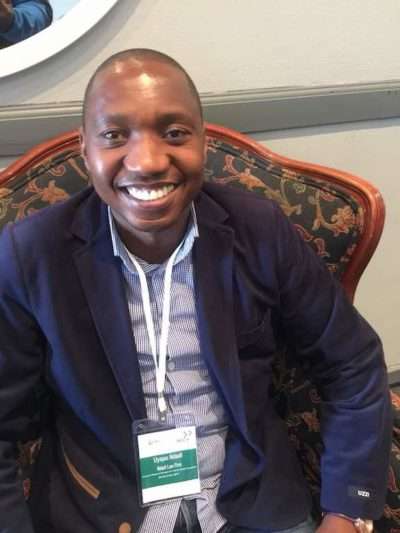
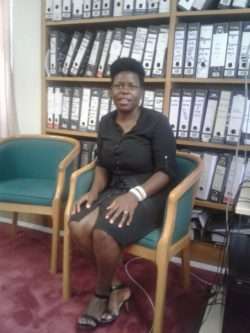
Pictured here is Uyapo Ndadi
In some countries, such as Botswana, Lesotho and Zimbabwe, significant progress has been made in the fight against stigma and discrimination levelled against Key Populations, and that is commendable. A prominent lawyer from Botswana, Uyapo Ndadi, indicated that the country is slowly understanding the human rights of Key Populations. He commanded the judiciary of Botswana, with its progressive interpretation of the Constitution in protecting the rights of LGBT+ persons, in the landmark case of Attorney General of Botsana v Thuto Rammoge & 19 others.
“The court finding is important, not just for activists in Botswana but throughout Africa. It has now broadened the scope of advocacy because the appellate judges noted that promoting the human rights of LGBTI persons and advocating for law reform was not unlawful,”
he said. Uyapo was effectively involved in that case working hand in hand with the South African Litigation Centre. Uyapo has also held seminars where different stakeholders were invited to talk about human rights of key populations.
Tinashe Mundawarara, a project manager for special projects at Zimbabwe Lawyers for Human Rights, also shared his experiences in advocating for LGBT+ rights in Zimbabwe. “Homosexuality is illegal in Zimbabwe,” he says. As an organisation, they handled three cases which were of great importance to them. The first case involved a transgender woman who was charged with criminal nuisance when she entered female toilets. They won the case because the court ruled that the act did not constitute a crime. The second case involved two gay persons who were charged with sodomy. The case was dismissed because the court ruled that the evidence provided did not satisfy the elements of a crime. The last case involved nine sex workers who were arbitrarily arrested by the police charged for loitering in 2015. This case was dismissed by the court and, since then, no sex worker has been arrested in Zimbabwe.
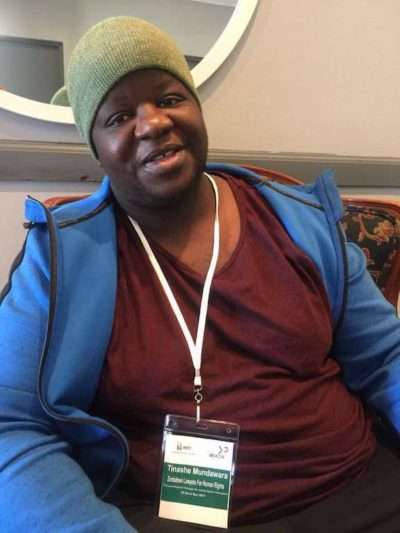
Pictured here is Tinashe Mundawara
Although in other countries, no court cases have been filed as yet, the fight against stigma and discrimination is ongoing. In Lesotho, the movement has resulted in a formation of a committee in September 2017, which consists of the two magistrates (including the Chief Magistrate), two policemen, two prison authorities, a sex worker, one member of the LGBTI+ community and two lawyers. The committee is formed to address all forms of violence against the Key Populations. The creation of this committee makes it easy for the Key Populations in the country to report human-rights abuses because they know who to approach. Zambia, too, has trained 150 paralegals on stigma, discrimination and violence against the Key Populations. These are persons of first contact when a violation has occurred and they have reduced the work load of few lawyers that fight for the voice the marginalised in societies in Zambia.
On the last day of the workshop, Champions agreed to issue a joint statement condemning the arrest of human rights defenders in Tanzania on the 12th of July this year during a capacity building seminar. The participants found it unbecoming to arrest human-rights defenders when they were doing their job. The statement was directed at different stakeholders, such the government of Tanzania, to drop charges against the arrestees, also to respect right to freedom of association. The Tanzanian Bar association was urged to act and protect members of their legal fraternity who have been harassed by the police, and the SADC Bar Association was also urged to issue a statement as well as condemn human-rights violations of human-rights defenders in the Region.
While these may seem like small wins, they make a huge difference in measuring the level of stigma and discrimination before these initiatives were put in place in different countries. The success of their struggle shows us how the commitment and perseverance of a small group of individuals, LGBT+ Champions, can change the world for the better, where all people regardless profession, sexual orientation, gender identity and status are treated with respect and dignity.
COMMENTS