Community leaders in Zambia weigh in on how much more the media can do to help the LGBT+ community.
The impact of negative reporting in some media houses in Zambia continues to threaten lives of members of the LGBT+ community. Under section 155(a) of the penal code chapter 87 of the laws of the country, homosexual practices are illegal and, if found guilty, one could be sentenced to a minimum of 14 years in prison. Some community leaders have, however, expressed concern on the rise of unsubstantiated content in articles being published and have since called for media houses to depict positivity in their reporting on issues of sexual and gender minorities. The hostility against members of the LGBT+ community in Livingstone has led most of its members to flee into hiding, and media reports in the newspapers continue to fuel stigma and discrimination against LGBT+ persons. This has resulted in the failure to access health care services.
To understand the depth of media involvement in reporting on LGBT+ issues, some questions were administered to a few community leaders working with the LGBT+ community, and below are their sentiments.
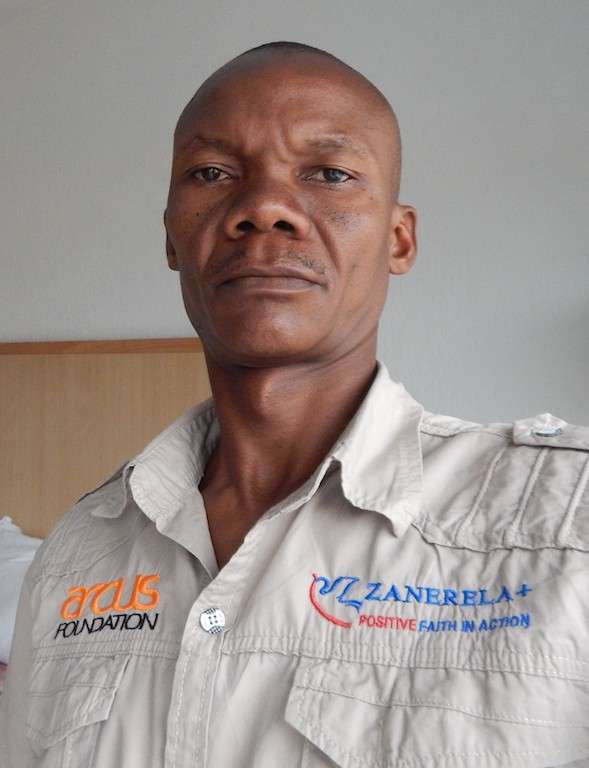
“The media can mislead masses with negative reporting because they have a wide reach,” says Kennedy Chungu, who is a programmes officer at the Zambian network of religious leaders living with/affected by HIV/AIDS (ZANERELA+). Kennedy is an active ally of the LGBT+ movement in Zambia who is passionate about challenge stigma and discrimination against LGBT+ people in the faith community. “To me, it shows that maybe we have not been engaging meaningfully with them for them to properly report on LGBT+ issues. With the basic knowledge I have, a reporter normally has three angles when reporting any story: a report can be in support of an issue; a report can be against an issue; and a report can and should be balanced. The pessimistic media reporting affects our work negatively, and reminds me to be careful regarding the level I can engage with the media to avoid being misquoted. Instances in Zambia have mostly been negative, but internationally, because they have a strategy in place, these reporters are well informed and – where possible – guided.”
“The increases of criminalisation, discriminatory attitudes, harassment by police, stigma and ill treatment in detention and medical settings result in impunity for perpetrators and make it difficult for victims of human rights violations to access effective remedies and support,” Kennedy continues. “When the Zambia Daily Mail newspaper published an article on November 19,2017, our organisation ZANERELA+ was one of those whose name appeared and for that our bank called us to probe more about what we do. Our work is a gamble as we are always emotionally alert of what is likely to happen in the media. Sometimes the fear affects my life at home to an extent where I worry about my family and how they survive if such reports leads to the closure of our organisation.”
“The media plays a huge role in shaping the perceptions of society, whether positive or negative,” says Foster Chibwe, a community leader, member of Friends of Rainka and an advocate for equality and non-discrimination for women and LGBT+ people. She states, “LGBT+ issues are considered contentious in Zambia. Consequently, media reporting is sensationalised when it comes to LGBT+ issues, which further negates the already unfavorable views of this community by society. Foster believes that the mass media has to undergo a lot of sensitisation to be engaged with LGBT+ issues. “As an advocate, it’s difficult for me to find the balance between trying to disseminate IEC information and looking at the safety and security of oneself, the community and organisations at large. It definitely slows down work and makes it costly,” she says.
According to Foster, there have been attempts to secure funding to engage the media personnel in a professional manner and find ways of working together positively soon. This prospect is the first step in the right direction and will hopefully materialise soon. Should they? “There is no doubt that the media the world over has a huge influence on society. Therefore, it follows that whatever perception or bias they assume is consequently imparted on the majority of society. In other countries, LGBT+ persons are not isolated as a community,” she says. Foster further notes that the media should first report on whatever achievement the LGBT+ community has accrued, and their identity or orientation should be reported later. This promotes patriotism, unity and solidarity in a nation.
“Unfortunately, in a Christian nation like Zambia, the opposite is true! Slander, hate, myths, lies and hypocrisy are the order of the day, which just reinforces the government stance on criminalisation of same sex activities.”
“In the past year, the effects of negative reporting have put the community in a lot of danger – threats from mob attacks, arrest, health risks, as they are not able to access medical treatment, police protection and legal services,” says Foster.
She also claims that the LGBT+ community do not exercise their civic rights and duties and are not able to use their voices in a democratic dispensation.
“My health is constantly affected by these negative reports, and because I have anxiety, I panic a lot whenever these articles are published. My family has always told me to keep away from my work – some of them have even distanced themselves from me – but at the end of the day, my work is my passion,” says Foster.
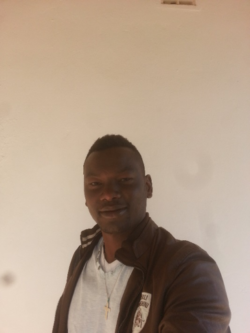
“These negative reports normalize the anti-LGBT+ views of society and inflames social tension,” says Laurance Kamuchungu, a Member of Friends of Rainka who advocates for access to health services for Key Populations. “As leaders, we need to sensitise media on issues relating to LGBT+ communities. That way we can hold the media accountable for the effects of negative reporting.
Laurence says that these reports have worsened the hostility of the society we are advocating in. “If we are to address the issue of negative media reporting, reporters and journalists must be engaged in several activities to help create and increase awareness that can reduce negative reporting. The same reporters play a bigger role in bringing about the social change where society will be more receptive to LGBT+ issues. Positive reporting would shift a lot of people’s attitude towards LGBT+ issues and their community. As a member of the LGBT+ community, negative reporting has made coming out very difficult, it has caused permanent and unbearable emotional damages among members of the LGBT+ community. I must say I am lucky with my family – they support me and my work and that support gives me my mental stability, although it is difficult to access services as a member of the LGBT+ community. It is a pity that these reports slow our work and affects the progress we have made over the years in changing public perceptions of LGBT+ issues.”
The mass media is more likely to produce articles of inferior quality that will attract readers and less likely to cover articles with a high positive impact on society. The issues surrounding LGBT+ people are a topic that goes undiscussed in most African countries because it is still considered a taboo, and it’s up to the media to realise how much power for change they hold.
COMMENTS