
Key Correspondent Constance M Ngenda from Zambia reports the debates around stigma and discrimination from the first day of ICASA.
HIV related stigma and discrimination is widely recognised as a barrier to accessing HIV prevention, treatment and care services in Zambia, yet there are notable gaps in measuring its extent and generating sufficient evidence to inform the designed and implementation of effective stigma reduction interventions.
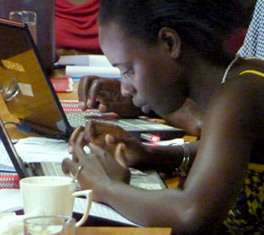
A study done by the Network of Zambian People living with HIV and AIDS (NZP+) aimed to address this gap. It trained 18 people living with HIV PLHIV as interviewers. The five men and 13 women interviewed 854 people from rural and urban areas in two districts in Zambia, Lusaka and Mkushi on stigma and discrimination.
The study found that people living with HIV in Zambia experience stigma and discrimination in various settings including places of worship, local community within the household, workplaces and healthcare facilities.
30% of the men and 36% of women reported having been excluded from social activities on account of their HIV status, more than half the respondents stated that they had been verbally assaulted, harrassed or threatened in the past year and one in three respondents indicated that they had experienced gossip about them on at least one occasion.
16.5% of the respondents had been refused employment or other similar opportunities and 39.3% reported losing a job or some other source of income at least once on account of HIV.
The forms of stigma and discrimination varied depending on factors such as gender, level of education and in some cases the number of years one had been living with HIV. Coping strategies and sources of assistance also varied.
Ms Kunyima Banda, Programs Manager at NZP+ said called on the government and AIDS Service Organisations should make human rights an integral part of HIV programming;
She said ZNP+’s findings should be taken into account when developing interventions to address stigma and discrimination. African governments should take the lead in creating a policy and legal environment that will safeguard the rights of PLHIV and address HIV related stigma and discrimination. PLHIV should also be encouraged to actively participate in the development and review of policies around HIV.
Stigma reduction interventions that provide the involvement of community leaders, religious leaders and labour representatives should be intensified and myths and beliefs that drive stigma and discrimination should be addressed as a key aspect of HIV stigma reduction programming.
The majority of the respondents were aged between 30 and 39 years old. The same were recruited through clinics and health care facilities and support groups meaning that the majdority picked were on Aniretro-viral therapy (ART), had access to some health cares services and were attached to community initiatives serving their interests.
The study included people identifying as including men who have sex with men (MSM), gay or lesbian, sex workers, injecting drug users and prisoners, though the numbers belonging to any one of the marginalised groups were small. These key populations are critical in eliminating new HIV infections if only stigma and discrimination is to be addressed.