

A project using 3G mobile internet technology (MTN) to ensure babies are being started early enough on antiretroviral therapy (ART) has been launched in rural Lesotho.
Over 260,000 children died from AIDS-related causes in Sub-Saharan Africa annually due to delay in diagnosis and timely initiation ART. This has increased related infant mortality to a high rate in the region.
Speaking about the project at the Grand Imperial Hotel in Kampala in Uganda on Friday (6 January 2012), Oyebola Oyebanji, an expert in the Ministry of Health of Lesotho, said infant mortality in the country stands at 91 deaths per 1,000 live births.
But Oyebanji said many children with HIV die while awaiting the results, which can take up to 12 weeks to be returned to the health facility from the laboratory. This contributes to the high under-five mortality rate, which stands at 117 per 1,000 live births.
“There are difficulties not only accessing health care services in some remote locations but in transporting laboratory results from facilities to laboratories and results back to facilities,” he said.
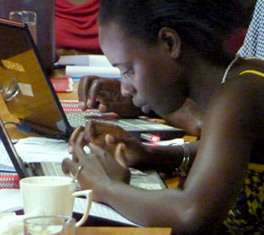
The innovative approach of the 3GB MTN project uses laptops and 3G mobile internet to promptly distribute DNA results to health facilities.
The IT equipment was provided to District Clinical Coordinators (DCCs) who are trained nurses based in all 10 supported districts of Lesotho. The DCCs compile the DNA results of their districts then take them to the health facilities. Results are printed and patients contacted through the use of Lesotho Network of AIDS Service Organization (LENASO) focal persons, mothers-to-mothers community members and community volunteers in the districts.
Oyebanji revealed that, between January and December 2010 a total of 308 infants, 111 males (36%) and 197 females (64%) with a mean age of six weeks had DNA PCR tests performed at Berea Hospital and its feeder clinics, Butha Buthe and Maputsoe
“Through the use of 3G technology, average test result turnaround time was reduced from 12 weeks to 4 weeks and the percentage of HIV-positive children initiated on ART at this facility and its feeder clinics increased significantly from 2% (3 out of 127) in the 2nd quarter of 2010 to 22% (40 out of 181) in the 4th quarter of 2010 and a total of 107 children were initiated on ART within four weeks of DNA PCR testing,” he explained.
He added that six children were initiated in the second quarter of 2010 and 66 children in the fourth quarter of 2010.
The use of 3G mobile internet technology is feasible in Lesotho and has enabled faster and easier transfer of DNA PCR results to rural health facilities and early initiation of children on ART by reducing the wait time for test results.
This intervention can have a great impact on infant mortality among HIV-exposed infants in Lesotho. Further research on the impact of this intervention on infant mortality among HIV-positive infants in Lesotho is underway.