
By Juliet Mureithi at SAPTA
A number of studies have suggested that female injecting drug users (IDU) are more likely to engage in risky sexual behaviour than men who inject drugs. And as many are also sharing needles they are doubly at risk of contracting HIV. Yet these women lack access to harm reduction and other health services. Kenyan society looks down upon these women in a big way due to double stigma of HIV and of being an injecting drug user.
In May, SAPTA launched a women’s day program for female IDUs after realising that female attendance at our drop-in centres is very low and that female IDUs are disconnected from crucial services such as reproductive health services, family planning, maternal and child health services and safe delivery.
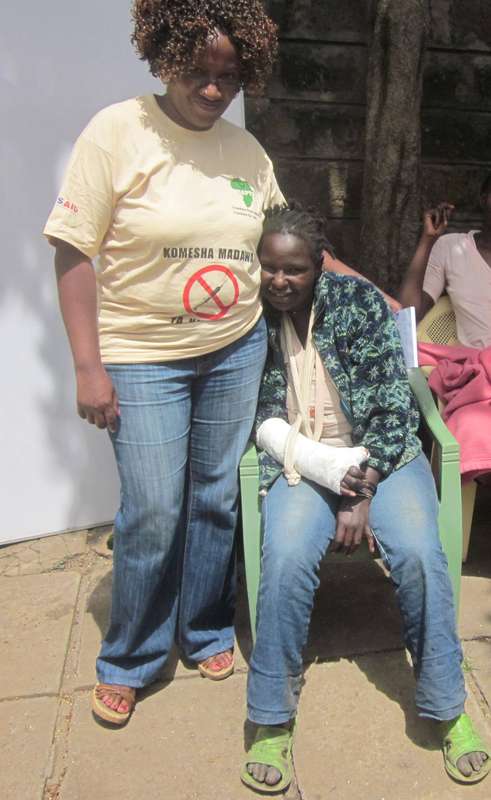
On this day Catherine, our programs manager, also invited the donors so they could come and witness some of these women’s stories. Here are just a few of them.
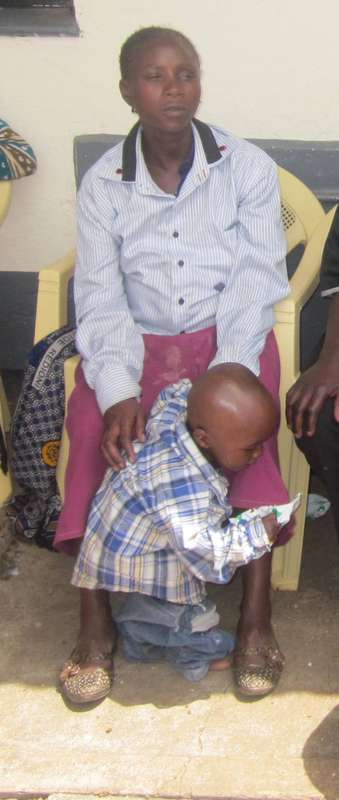
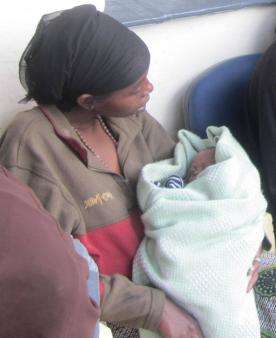
Suzie (not her real name) injects drugs. She has a six-month-old baby who she lives with at the injecting site along with her boyfriend. About a year ago she gave birth but the baby died after delivery. Barely a year later she gave birth to her current child. Suzie is sickly; her breasts are sunken thus she hardly has milk to feed her baby. She is also HIV positive. As she is homeless Suzie sleeps with the baby at the injecting site, which is a filthy place with used syringes lying all over and no access to clean water. The air is so polluted because the site also serves as a garbage dump for the locals living around it. These drug users have no shelter so sleep in shanties made out of cartons and sacks. At times they face hostility from the police and it’s usually helter skelter at the site.
Our outreach workers usually visit Susie with milk and some food for the baby but at times they face so much hostility from peddlers they cannot enter the site. So Susie and her child go hungry.
Many of the women our outreach workers speak to have not been aware of giving birth as heroin serves as a painkiller to labour. One such woman is Mary (not her real name) who lives in an open place along Eastleigh estate.
When I first met her Mary had a one-year-old baby and was pregnant with another. She became pregnant as a result of being raped on the streets. She is also HIV positive. She says taking drugs helps her to forget her problems.
Recently one of our outreach workers found Mary lying in the corridor. She had just given birth. Her baby was just lying on the dirty floor. Mary was so high she didn’t feel her labor pains coming. At least when our outreach worker got there she was able to take Mary to a nearby clinic for help. She now has two children who look up to her but has nothing to feed them, neither does she have shelter to protect them from the cold, the rain, the wind or the thugs who harass her.
Many stories like these remain untold. In Kenya, many female injecting drug users face a life on the streets, harassment from the police, as well as rape from their male counterparts, drug peddlers and others. These women have no shelter and lack access to maternal health facilities, thus infant mortality rates is very high.
These women also lack access to other healthcare services such as family planning and will give birth frequently then live with their kids at drug injecting sites despite the conditions there. Most of them bring up their kids in these hardships and many will admit to having been brought up there too. A lot of women who inject drugs have serious injuries as a result of missing veins during injecting, as well as harassment from male IDUs and peddlers. Some of them result to stealing due to a lack of money to buy the drugs they need or even a meal, and when caught they face mob injustice. Peddlers also take advantage of them when they don’t have money by asking to have sex with them in exchange for the drugs. Not surprisingly, many of these women suffer from serious mental health issues.
According to the statistics at our drop in centres, 65% of the women who attend are HIV positive. Most admit they haven’t disclosed their status to anyone and are still having sex without using protection, something SAPTA outreach workers will speak to them about.
There’s a need to increase female drug users’ access to services including treatment, harm reduction programs, and sexual and reproductive healthcare services. These services need to flexible, low-threshold and convenient, especially for women with children, and make the link between drug treatment, women’s shelter, women empowerment and violence prevention services.
SAPTA is appealing for international help for these women and their children. They are currently fundraising for clothing and other basic necessities including methadone for SAPTA’s Relapse Prevention Program.
With SAPTA’s help the lives of these women and their children can be changed.