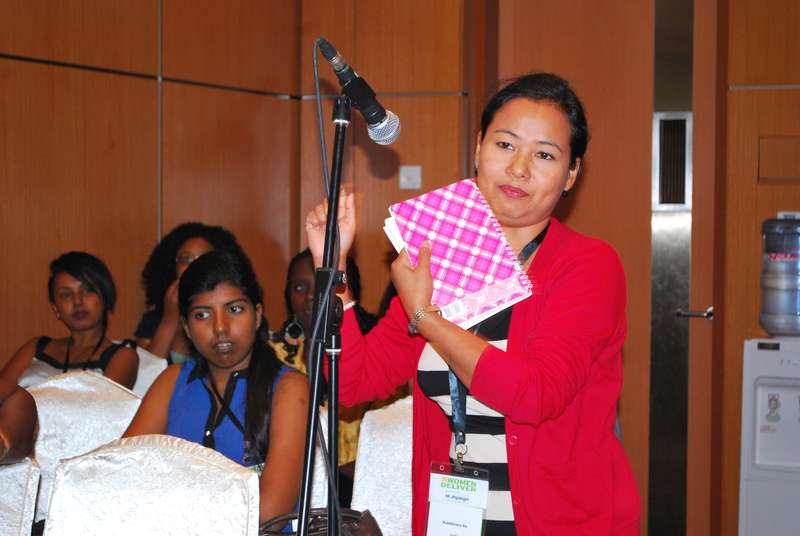
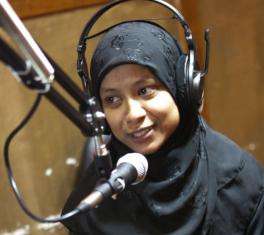
Baby Rivona, the National Coordinator of Ikatan Perempuan Positif Indonesia (IPPI) - a network that works with women living with HIV in Indonesia - said at the Women Deliver conference this week that most women who are drug users, sex workers or transgender and HIV positive do not have enough information on where to get services.
Baby, a former drug user, who has lived with HIV for the past 14 years said that such groups face a lot of stigma in the community and at health centres, and extreme human rights abuse from all corners of their lives.
“HIV is the impact of social, cultural, religion, education and economic factors. It’s not getting any better as more and more women and girls are affected. Providing services and creative support is critical to our wellbeing,” she said.
She also said that governments have not been keen on allocating resources or including such groups in their annual budgets yet there is a large percentage of people living with HIV and others, like young mothers, remain vulnerable.
“Where are the programmes for us, we have specific needs such as information, counselling, user friendly health services, and we face double stigma as we are women who face rape. HIV makes things worse, then we have children and partners who can be violent towards us. Where is the investment in key affected women and young girls, especially for female drug users. I haven’t had an answer in this conference,” she sighed.
She said that her network is advocating to end social stigma and discrimination against women living with HIV in the prevention of mother to child transmission (PMTCT) services.
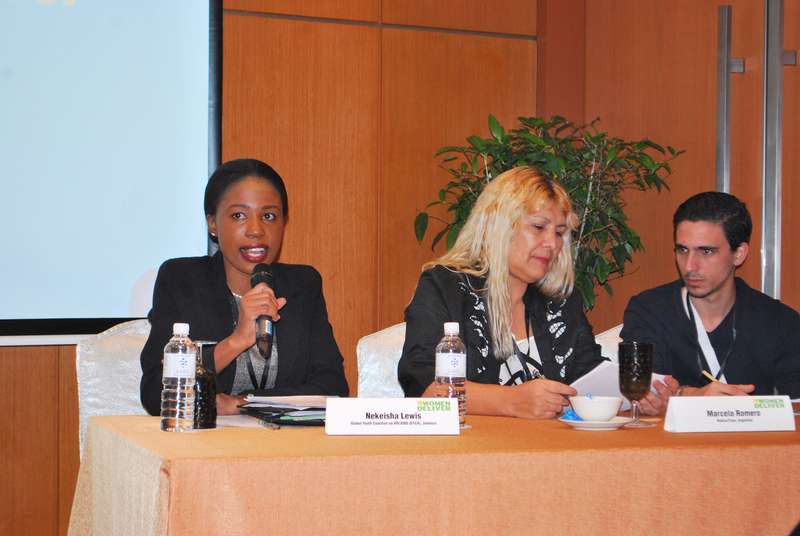
Nekaisha Lewis from the Global Youth Coalition on HIV/AIDS (GYCA) said that investing in the sexual and reproductive health and rights (SRHR) of young people will ensure that they stay safe and that governments should implement and design programmes that are more suitable for them.
“Young people are the drivers to achieve the effective change we need. We must allow them to talk and contribute towards this goal of ending stigma,” she said. “All we want is to see young people, transgender and sex workers get social acceptance and SRHR services.”
Marcela Romero, the President and founder of Redlactrans Latin America regional network of transgender women, said that transgender people in the world demand gender equity and an identity law.
“We are normal people like everyone else,” she said. ”Being transgender doesn’t mean that we have a mental disorder. It is a choice we made and we need a law to protect our choices”.
Romero highlighted the challenges the transgender community are facing, ranging from a lack of proper and professional health services to discriminatory legislation.
“We are not born vulnerable, abuse of our human rights makes us vulnerable. We decided to make our choices and no one can ever take that away from us,” she said.
Anne Skjemerud, a senior advisor with the Norwegian Agency for Development Cooperation, said that there is no quick fix for HIV and called upon all partners to come together and fight the common cause.
“We must allow partners to enter into a new era after 2015, renew and broaden our goals and commitment, and integrate services together so that we can make a comprehensive effort,” she said.