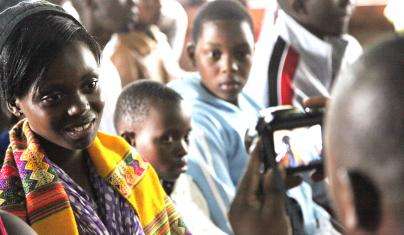



“Disclosing your HIV status is all about building a legacy to make sure when people are developing policies, they will always remember the voice,” says Loyce Maturu, a young woman from Zimbabwe who is living with HIV and is a global advocate.
But does disclosing one’s HIV status to others, whether family, close friends or the community benefit a young person living with HIV? What is the aftermath of disclosure? Is it good or bad? And do the benefits outweigh the risks?
Nkosi Johnson was one of the first young people to advocate for the rights of children living with HIV at the International AIDS Conference in South Africa in 2000. Johnson was born with HIV and began advocating for fair treatment of children living with HIV after being denied enrolment by a primary school.
Empowering young people
Since then, many youths living with HIV are increasingly being open about their HIV status. For example two twelve year old boys, who identified themselves as Lucas and Lee, disclosed their HIV status at Boston Dance Marathon and their video was uploaded on YouTube in 2011. In the video, Lucas spoke of how he understood why he had to take his medication.
Maturu, who disclosed her status at public campaigns in 2011, is one of a number of young people living with HIV in Zimbabwe who have been supported by the organisation Africaid to be open about their HIV status in public.
Africaid, through its Zvandiri programme, provides treatment, care and support services for children and adolescents living with HIV in order to keep them healthy, happy, safe and confident. Young people living with HIV have advocated for the end of stigma through their disclosure in Zimbabwean media, including radio stations and press.
Supportive response
Maximina, a 23 year old young woman from Harare in Zimbabwe, says: “I came out on a Zimbabwean national television programme called Positive Talk. I also spoke of my status at HIV testing and counselling campaigns in Harare, Zimbabwe.”
Maximina got support from her family when she told them of her plan to disclose to the wider public as part of her advocacy and training work. “Even though they were not part of the audience when I would disclose, they would check my emotions when I got home. They would try to find out how I was feeling after having disclosed,” Maximina says.
Unlike some other youths who have faced stigma Maximina says that she found people were supportive. She also empowered many other young people, who started opening up towards her through social media.
Maturu also says that she gained confidence and understood herself better after having disclosed her status at public gatherings and on national television.
Careful management
Like Maximina and Maturu, young people with HIV have a powerful role to play in advocating for the needs of their HIV positive peers. But Africaid director Nicola Willis says: “The engagement of young people in advocacy work which involves disclosure of their HIV status needs very careful management. Young people’s needs, experiences and circumstances change as they grow and develop.
“A nine year old boy might agree to disclosing his HIV status to his peers and getting all the attention from doctors, professors and other humanitarian leaders. However the same nine year old boy, fifteen years later, might regret this step. It may be difficult for adolescents to anticipate how they will feel about the decision to disclose. There may also need moral support from the family or future family who are not ready for that kind of exposure.
“Therefore youths considering disclosure of their status through their advocacy work need all the information they can get on what are the after effects of disclosure.”
Counselling and support
According to the World Health Organization Guidelines for HIV testing and counselling and care for adolescents living with HIV, adolescents should be counselled about potential health benefits and risks of disclosure of their HIV status to others and empowered and supported to determine if, when, how and to whom to disclose (pg 23).
Ultimately, it is a personal decision for each young person. Many youths have realised their peers’ struggles and are eager to motivate through their testimonies of living with HIV. According to the findings by the World Health Organization (pg 26) on community consultations on HIV testing and counselling, most service providers were for the idea that disclosure was the adolescent’s decision.
The World Health Organization report also suggests that disclosure may result in increased social support and self-confidence as mentioned by Maximina and Maturu (pg 25). The most important thing is that the young person has made a careful decision about disclosing and is aware of the risks and benefits.
Maximina feels grateful for her decision to disclose on a national and international platform. She says: “I don’t have any regrets about my decision. I am now a confident advocate.”
Read about how LGBT rights must be protected to ensure healthy lives for all