

Gender
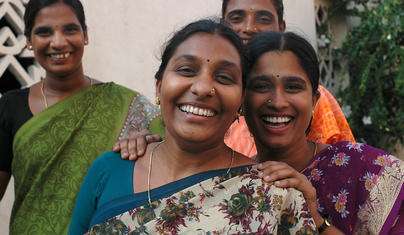
KCs report what life is like for women facing gender-based discrimination and violence, some of whom are also living with HIV, TB and other serious health issues. Stories range from women rebuilding their lives and their sexual and reproductive health after suffering rape and violence to mothers who have experienced and overcome stigma and abandonment after developing complications during childbirth, such as fistula.
KCS also highlight the impact violence and discrimination have on transgenders, gay men, lesbians and men who have sex with men by telling individual stories of struggle and empowerment and by documenting grassroots campaigns and community activities.
Female genital mutilation still taking place in Kenya
The Somali community living in the Northern Kenya towns of Wajir, Mandera and Garissa practice type three FGM, also known as infibulation, which is the most severe form of mutilation. However, a cross section of the community are up in arms against the ritual, arguing that it contributes to health risks like hemorrhage, difficulty in giving birth, difficulty in passing urine and even death. Some also say it is not Islamic. more
Should Kenya still use traditional birth attendants?
The maternal and infant mortality rate in Kenya is high. Few and inaccessible health centers are some of the contributors to this state of affairs but in the course of helping mothers to deliver, traditional birth attendants are also seen as contributing to a rise in maternal and infant mortality. more
Rape victims missing out on vital treatment
In Cambodia, the national program on HIV prevention does not provide post exposure prophylaxis (PEP) services to victims of rape, despite this being an effective prevention method for these victims. more
The story of a woman stigimatized by her husband
A personal story of a woman who had sexual relationships with three men, one of whom was HIV positive, who is being stigmatized by her current husband due to her ex-partner’s death.
more
Karamojongs fighting to continue female genital mutilation in spite of harsher laws in Uganda
Karamoja is an area in the northeast of Uganda, where culture and superstition guide many practices of the local people. It is the poorest area in Uganda with the highest illiteracy rate. The area also has unreliable rainfall, poor road network and great insecurity. Cattle are raided from one tribe to another even around township areas, and in daylight. Ambushes along the roads are common, targeting both people on foot and in cars. Some areas around Karamoja are completely impassable without a military escort. Karamoja is also an area where female genitial mutilation (FGM) is a common occurrence. more
Obstetric Fistula, the silent reproductive social problems of most young women in Uganda.
Obstetric Fistula is a problem which comes about as a result of prolonged and obstructed labor where pressure causes a hole between the bladder and vagina or the rectum and vagina (or both) and as a result urine or faeces leaks continuously and uncontrollably. Unfortunately few people are aware of this problem or have knowledge that it can be treated in Uganda.
Most women who suffer from Obstetric Fistula have both physical and psycho-social problems. Urgent attention is needed to make sure these women seek medical attention and are accepted in their families. Physically problems experienced by women with fistula is that urine and sometimes faeces keeps passing out of the women who should continuously pad themselves to avoid soiling their clothes, reducing the funny smells and as they pad, the concentrated urine and faeces burns their thighs and makes them develop bad smells which causes their husbands to divorce them. more
Uganda: Muslim women back condoms for HIV prevention
From www.plusnews.org
Some Muslim women in western Uganda are demanding that a new HIV prevention programme for Muslims include condom promotion, going against calls by local religious leaders for the programme to be limited to messages on faithfulness and abstinence. go
Women asked to use female condoms
Women are being encouraged to use female condoms to be sure of their lives against HIV. The call was made yesterday during the function to hand over Rushere community hospital to the community. more