The role of journalists in bringing stories of hope to negate messaging that fuels stigma and discrimination against Key Populations.
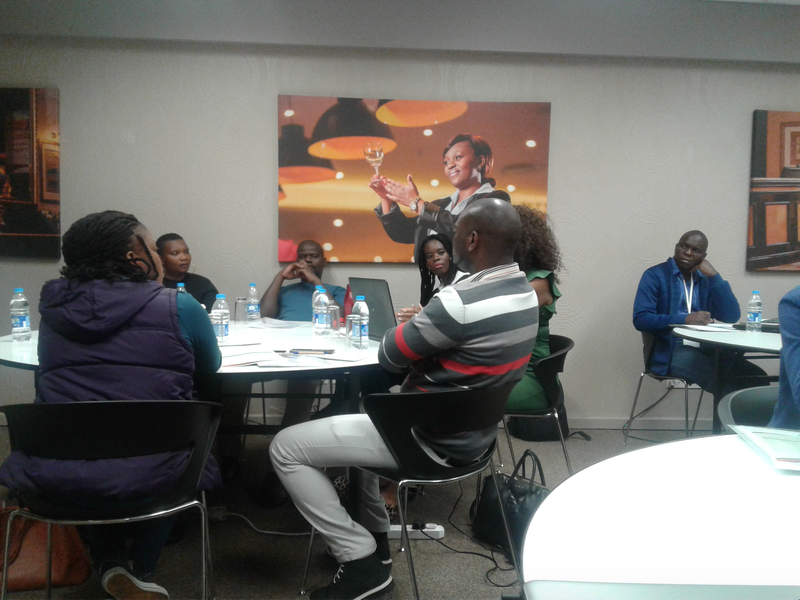
The Southern Africa HIV and Aids Information Dissemination Service (SAfAIDS) hosted a Regional Media Training Workshop on the 13-21 February, 2018 in Johannesburg, South Africa. The workshop was intended to train journalists and editors on positive messaging in reporting Key Populations (KPs) issues. This, with the aim of eradicating HIV-related stigma and discrimination. The KP REACH programme has a strong reliance on partnering with media. This media component was designed against the backdrop of past media messaging that has potentially been used to entrench stigma, discrimination, hate speech, and violence against KPs. The training was about using journalists and editors as powerful tools to shift negative attitudes about KPs.
Of major importance was the power of using positive stories in messaging. Although stories of human rights violations need to be reported, it was argued that too many such stories might not change attitudes, but rather work to encourage perpetrators to continue their violations on the basis that such actions are prevalent. Positive stories were reported to be powerful in changing the mindset of people on issues of stigma and discrimination. They also bring hope to KPs. If something positive happens to one of their own, then it means it can happen to them too.
Journalists were also trained on the appropriate language to use when reporting on KPs’ issues. The issue of language was emphasized since certain words which are commonly used by journalists are very offensive. They fuel the very same stigma and discrimination rooted in people for their different agendas. 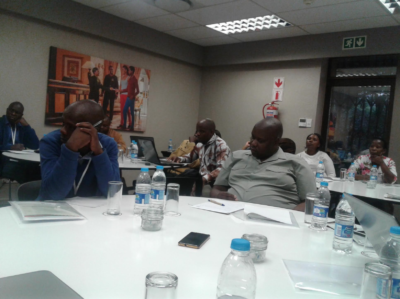
This was the second workshop with journalists and editors (media champions) from eight SADC countries namely; Lesotho, Malawi, Swaziland, Namibia, Zambia, Botswana, Zimbabwe and South Africa. They reported some hostility within their countries around reporting on KPs’ issues. But challenges not withstanding, in some countries, like Botswana, significant progress has been made. The trained journalists in Botswana have openly talked about KPs’ issues and recently invited priests to deliberate on Lesbians, Gay, Bisexual, Transgender, Queer and/or Intersex (LGBTQI)+ issues. The response from the public was commendable. In one particular incident, a Nigerian priest who was invited as a guest speaker uttered words which were perceived to reinforce and exacerbate existing prejudice against sex workers and LGBTQI+ community and was subsequently deported from the country. It was concluded that his contribution amounted to hate speech and would not be tolerated. Media in Namibia have hosted a number of talk shows where celebrities are invited to stimulate community dialogue about Key Populations’ issues and it has been fruitful.
SAfAIDs, being a part of the KP REACH programme, invited some partners to strengthen the collaboration between their various programmes. There was a detailed presentation on the work of the Key Correspondents (citizen journalists), REActors (data collectors of human rights violations), and M&C Saatchi (rolling out the media campaign) as implementers of the KP REACH programme. All parties active in the training were tasked with coming up with strategies to strengthen KP REACH’s in-country components. Since Key Correspondents’ (KCs) stories are published online, it was noted that not many people, particularly people in remote areas, can access those stories for a number of reasons. Firstly, most people in those areas are poor and cannot afford buy data and for those who can, internet accessibility is still a big challenge. Secondly, many people living in those remote areas, particularly in Lesotho are not literate. In addition, the fact that the stories are written in English and not in their local languages also contributes as a barrier in spreading the message wider.
Even so it was resolved that REActors, KCs and journalists must work together to make sure that these stories of hope are spread as widely as possible. The idea is that the same stories which are written for Positives Vibes, the implementing partner hosting both the REAct and KC programmes, should also be distributed through local newspapers, radio and television where possible. The advantage is that through local media, stories can be told in local languages and easily understood by the intended recipients.
Most people felt it was indeed a useful training session and many journalists admitted that they were ignorant about KP issues which the workshop helped them understand better. They also committed to working with other champions, KCs and REActors to make the world a better place for everyone. This is a laudable commitment because media can make a serious impact in changing people’s attitudes, and prevailing stigmas. Together we as KP REACH and its partners can shake the world.
COMMENTS