HIV and sexual and reproductive health and rights
Key Correspondents report stories that highlight the links between HIV and sexual and reproductive health and rights. They do this by documenting stories relating to family planning, maternal health, gender based violence, early marriage, female genital mutilation, discordant couples (where one partner is HIV positive and the other is not), parent to child transmission and antenatal care.
Young people in desperate search for safer sex
For young people in southern Africa a lack of access to condoms is putting them at risk of unwanted pregnancies and HIV, and could ultimately jeopardise their lives. more
Uganda: Eliminating mother to child transmission of HIV
In Uganda, eliminating the transmission of HIV from mother to newborn child is no longer a dream but a possibility. Yet it remains one of the country’s greatest challenges. more
Don’t give up hope: Amina’s story
Amina Abdullahi contemplated suicide after discovering she was both pregnant and living with HIV, but after giving birth she feels differently and urges others not to give up hope. more
Knowledge is power: young people learn about sexual health rights
Link Up, a sexual and reproductive health and rights project led by the International HIV/AIDS Alliance, has reached more than 500,000 young people since it began in 2013. more
Dorothy’s story: living with HIV and unmet family planning needs
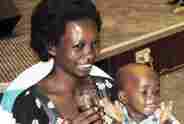
When Dorothy fell pregnant at 18 it was not planned and at the antenatal clinic she found out she was HIV positive. After struggling with the traumatic news, she changed her life around. more
How empowering women helps HIV response
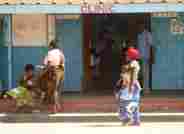
Women having control over choices about their lives, including their sexuality, is crucial in the fight against HIV and something Virginia Muwanigwa, chairperson of the Women’s Coalition of Zimbabwe, is keen to highlight. more
Microbicides: new HIV prevention technology empowers women
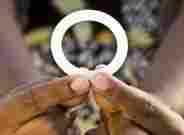
The International Partnership for Microbicides has developed a vaginal microbicide ring to help women protect themselves against HIV infection. more
Women demand investment in global HIV response
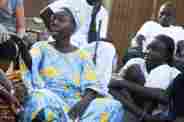
A coalition of African women are calling on governments to fully address cultural and traditional practices that continue to put women and girls at greater risk of HIV. more
International community must act to end violence against women
As a new international development agenda is finalised this year, policymakers must do more to address the link between violence against women and their vulnerability to HIV infection. more
Male involvement crucial to prevent HIV infection of babies
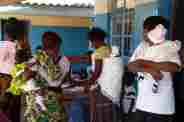
Preventing transmission of HIV from mothers to their babies is a huge global priority in the HIV response, but until recently the importance of involving men has not been recognised. more
Hope for women in the fight against HIV
Two studies involving women in South Africa, Malawi, Uganda, Rwanda and Zimbabwe are exploring the use of a vaginal ring that delivers antiretroviral drugs, to see if it can prevent transmission of HIV. more
Sex workers unite to defy stigma
After being raped and contracting HIV, Amina knew she would become an outcast in her village. This is her story. more
Women Deliver honors journalists speaking out for women and girls

Key Correspondent Lucy Maroncha is one of 15 journalists currently being honored for their reporting on sexual health and rights. more
Global Fund work falling short on gender-related issues
The Global Fund’s efforts to put women and girls at the center of its work on HIV, TB and malaria have yet to bear significant fruit at the country level, according to the ATHENA Network. more
Kenyan fisherwomen empowered to fight HIV

This year, International Women’s Day (8 March) is celebrating women who ‘Make it Happen’, highlighting the achievements of women while calling for greater equality. more
Young people needed to tackle HIV in Zambia
Around 72 new HIV infections are recorded every day among Zambian youths and adolescents, which translates to three per hour, according to UNICEF. more
Cervical cancer causes preventable deaths in women living with HIV
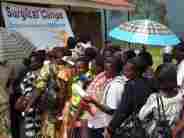
Cervical cancer is preventable with proper screening, yet it is the leading cause of cancer-related death in women across sub-Saharan Africa, and those living with HIV are more at risk. more
Properly equipped health facilities needed to address maternal mortality in Ivory Coast
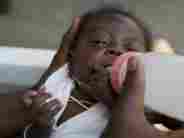
When Tanoh Marie felt her contractions she understood that delivery time was near. But things didn’t go as planned. more
Ugandan sex workers demand female condoms
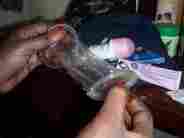
Although female condoms have been shunned since being introduced in Uganda in the 1990s, sex workers say they need them because their clients refuse to use male condoms. more
250 Kenyan girls say no to female circumcision
As the Girl Summit in London calls for an end to female genital mutilation, some Kenyan communities are finding new ways to celebrate their girls reaching womanhood. more
Antenatal access key to preventing mother-to-child transmission of HIV
Malawi is leading the developing world with an approach to preventing transmission of HIV from mothers to their children. more
Communities hail Malawi initiative to prevent babies being infected with HIV
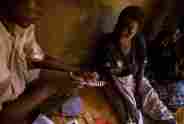
Communities in Malawi are hailing a successful initiative that has proven successful in ensuring children of parents living with HIV are born free from infection. more
Sudat’s story: living with HIV and a passion to protect babies from the disease
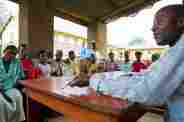
Sudat Nakakeeto uses every opportunity to educate people about HIV and AIDS, an issue close to her heart as she’s been living with the disease since 2005. more
Traditional birth attendants blamed for HIV among newborn babies
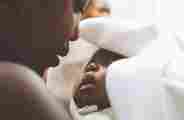
The Ugandan minister in charge of primary health care says Uganda faces a big challenge with new HIV infections among newborn babies because of traditional birth attendants. more
Violence against women continues to fuel HIV epidemic
Grace was raped when she was 15. For 30 per cent of women worldwide, just like Grace, their first sexual experience was forced. more
Burundi: Lack of sexual health services risks the lives of young women and their unborn
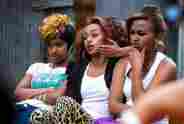
Every minute, a young woman is newly infected with HIV and for women in their reproductive years, HIV is the leading cause of death. more
World AIDS Day: sexual health is an uphill struggle for women in rural Zimbabwe
Ester Lorence lives deep in rural Zimbabwe and when she was diagnosed with HIV she knew little about the disease. more
Call for intensified integration of family planning and HIV services gathers momentum
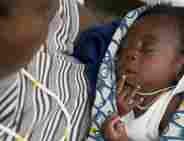
In Zambia, three in ten young women aged 15-19 have either given birth or are pregnant and there is a large unmet need for contraception among women with HIV. more
Open-air classes in Ethiopia teach rural women about family planning and HIV
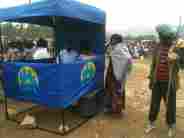
In Ethiopia, rural women still have twice as many children as urban women, mostly because they don’t have access to contraception more
Women living with HIV struggle to access family planning services in the Ivory Coast
One year on from the launch of the Ivory Coast’s national plan to provide family planning services to all women there is much progress, but many still lack access to vital services. more
A ground breaking approach to preventing violence against women
In some countries where up to 70% of women experience gender-based violence, addressing HIV without considering dimensions of violence is woefully inadequate. more
Mo’s story: we need better access to health services in Cambodia
Ever since he was young Mo has felt love for other men, but he’s tried to hide his sexual orientation from his parents, his siblings, his neighbourhood and his friends. more

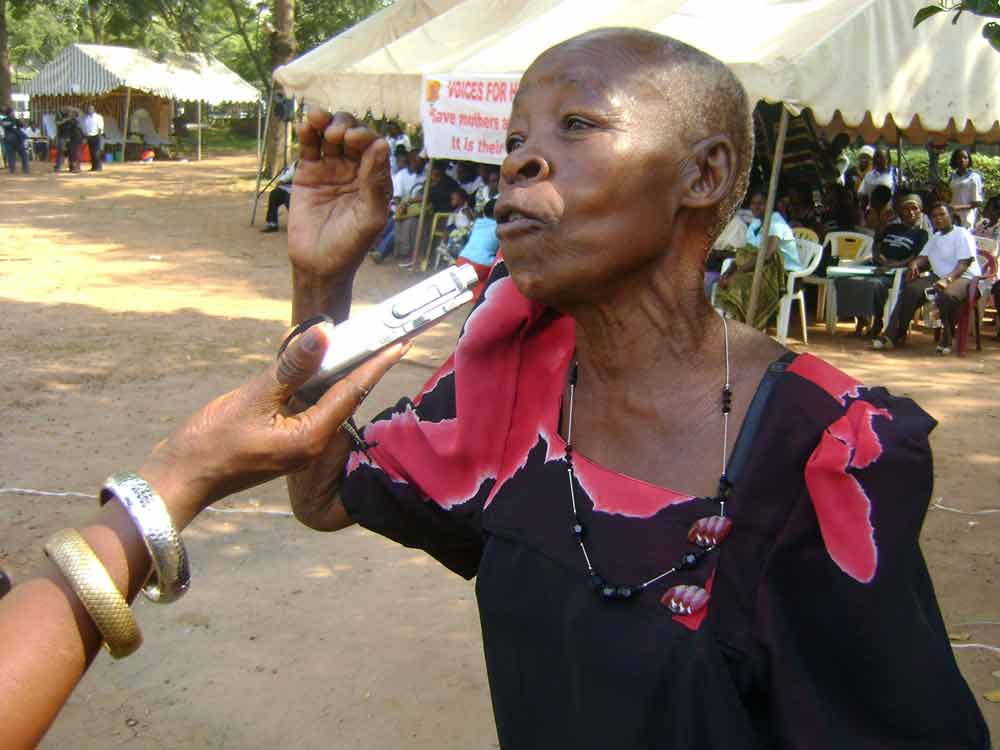
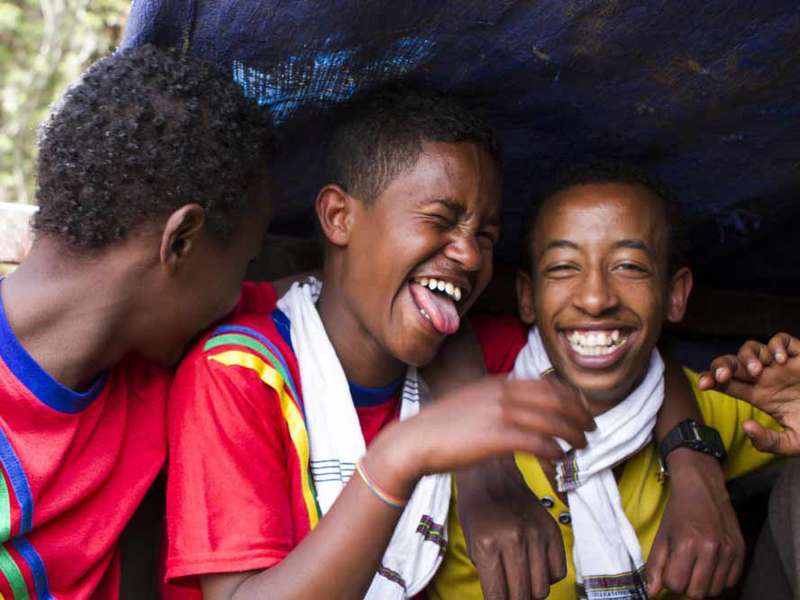 Our correspondents are writing for change on HIV issues relating to young people, as well as drug use.