HIV and sexual and reproductive health and rights
Key Correspondents report stories that highlight the links between HIV and sexual and reproductive health and rights. They do this by documenting stories relating to family planning, maternal health, gender based violence, early marriage, female genital mutilation, discordant couples (where one partner is HIV positive and the other is not), parent to child transmission and antenatal care.
Young people in desperate search for safer sex

For young people in southern Africa a lack of access to condoms is putting them at risk of unwanted pregnancies and HIV, and could ultimately jeopardise their lives. more
Uganda: Eliminating mother to child transmission of HIV
In Uganda, eliminating the transmission of HIV from mother to newborn child is no longer a dream but a possibility. Yet it remains one of the country’s greatest challenges. more
Don’t give up hope: Amina’s story
Amina Abdullahi contemplated suicide after discovering she was both pregnant and living with HIV, but after giving birth she feels differently and urges others not to give up hope. more
Knowledge is power: young people learn about sexual health rights
Link Up, a sexual and reproductive health and rights project led by the International HIV/AIDS Alliance, has reached more than 500,000 young people since it began in 2013. more
Dorothy’s story: living with HIV and unmet family planning needs
When Dorothy fell pregnant at 18 it was not planned and at the antenatal clinic she found out she was HIV positive. After struggling with the traumatic news, she changed her life around. more
How empowering women helps HIV response
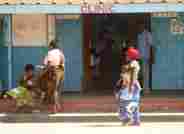
Women having control over choices about their lives, including their sexuality, is crucial in the fight against HIV and something Virginia Muwanigwa, chairperson of the Women’s Coalition of Zimbabwe, is keen to highlight. more
Microbicides: new HIV prevention technology empowers women
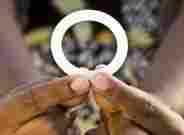
The International Partnership for Microbicides has developed a vaginal microbicide ring to help women protect themselves against HIV infection. more
Women demand investment in global HIV response
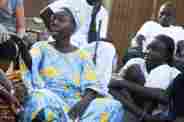
A coalition of African women are calling on governments to fully address cultural and traditional practices that continue to put women and girls at greater risk of HIV. more
International community must act to end violence against women
As a new international development agenda is finalised this year, policymakers must do more to address the link between violence against women and their vulnerability to HIV infection. more
Male involvement crucial to prevent HIV infection of babies
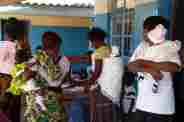
Preventing transmission of HIV from mothers to their babies is a huge global priority in the HIV response, but until recently the importance of involving men has not been recognised. more
Hope for women in the fight against HIV
Two studies involving women in South Africa, Malawi, Uganda, Rwanda and Zimbabwe are exploring the use of a vaginal ring that delivers antiretroviral drugs, to see if it can prevent transmission of HIV. more
Sex workers unite to defy stigma
After being raped and contracting HIV, Amina knew she would become an outcast in her village. This is her story. more
Women Deliver honors journalists speaking out for women and girls

Key Correspondent Lucy Maroncha is one of 15 journalists currently being honored for their reporting on sexual health and rights. more
Global Fund work falling short on gender-related issues
The Global Fund’s efforts to put women and girls at the center of its work on HIV, TB and malaria have yet to bear significant fruit at the country level, according to the ATHENA Network. more
Kenyan fisherwomen empowered to fight HIV

This year, International Women’s Day (8 March) is celebrating women who ‘Make it Happen’, highlighting the achievements of women while calling for greater equality. more
Young people needed to tackle HIV in Zambia
Around 72 new HIV infections are recorded every day among Zambian youths and adolescents, which translates to three per hour, according to UNICEF. more
Cervical cancer causes preventable deaths in women living with HIV
Cervical cancer is preventable with proper screening, yet it is the leading cause of cancer-related death in women across sub-Saharan Africa, and those living with HIV are more at risk. more
Properly equipped health facilities needed to address maternal mortality in Ivory Coast
When Tanoh Marie felt her contractions she understood that delivery time was near. But things didn’t go as planned. more
Ugandan sex workers demand female condoms
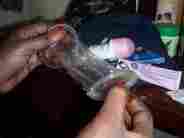
Although female condoms have been shunned since being introduced in Uganda in the 1990s, sex workers say they need them because their clients refuse to use male condoms. more
250 Kenyan girls say no to female circumcision
As the Girl Summit in London calls for an end to female genital mutilation, some Kenyan communities are finding new ways to celebrate their girls reaching womanhood. more
Antenatal access key to preventing mother-to-child transmission of HIV
Malawi is leading the developing world with an approach to preventing transmission of HIV from mothers to their children. more
Communities hail Malawi initiative to prevent babies being infected with HIV
Communities in Malawi are hailing a successful initiative that has proven successful in ensuring children of parents living with HIV are born free from infection. more
Sudat’s story: living with HIV and a passion to protect babies from the disease
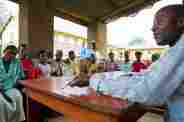
Sudat Nakakeeto uses every opportunity to educate people about HIV and AIDS, an issue close to her heart as she’s been living with the disease since 2005. more
Traditional birth attendants blamed for HIV among newborn babies
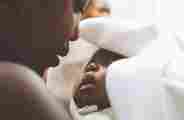
The Ugandan minister in charge of primary health care says Uganda faces a big challenge with new HIV infections among newborn babies because of traditional birth attendants. more
Violence against women continues to fuel HIV epidemic

Grace was raped when she was 15. For 30 per cent of women worldwide, just like Grace, their first sexual experience was forced. more
Burundi: Lack of sexual health services risks the lives of young women and their unborn

Every minute, a young woman is newly infected with HIV and for women in their reproductive years, HIV is the leading cause of death. more
World AIDS Day: sexual health is an uphill struggle for women in rural Zimbabwe
Ester Lorence lives deep in rural Zimbabwe and when she was diagnosed with HIV she knew little about the disease. more
Call for intensified integration of family planning and HIV services gathers momentum
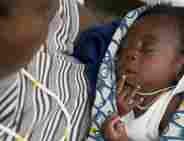
In Zambia, three in ten young women aged 15-19 have either given birth or are pregnant and there is a large unmet need for contraception among women with HIV. more
Open-air classes in Ethiopia teach rural women about family planning and HIV
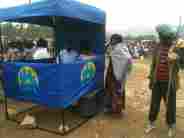
In Ethiopia, rural women still have twice as many children as urban women, mostly because they don’t have access to contraception more
Women living with HIV struggle to access family planning services in the Ivory Coast
One year on from the launch of the Ivory Coast’s national plan to provide family planning services to all women there is much progress, but many still lack access to vital services. more
A ground breaking approach to preventing violence against women
In some countries where up to 70% of women experience gender-based violence, addressing HIV without considering dimensions of violence is woefully inadequate. more
Mo’s story: we need better access to health services in Cambodia
Ever since he was young Mo has felt love for other men, but he’s tried to hide his sexual orientation from his parents, his siblings, his neighbourhood and his friends. more
Father quits job as teacher to help teen mums living with HIV
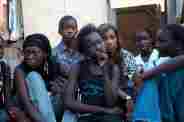
Richard Aliwaali goes from door to door, from community to community, to work with people living with HIV. He helps tackle discrimination and focuses on unplanned pregnancies and HIV among young people. more
Ugandan project launched to address breastfeeding issues for mothers with HIV
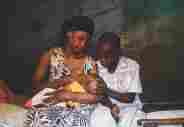
In Uganda, the Ministry of Health has launched a new project to address the issue of breastfeeding, as many mothers worry about post-natal transmission of HIV to their baby through breast milk. more
Ugandan correspondent scoops media fellowship on sexual health and human rights
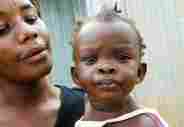
Key Correspondent James Odong is taking up the challenge to raise issues of maternal health in his community. more
Elongating the labia minora: a right or a health risk?

The practice of elongating the labia minora of the vagina is very common in Uganda but rarely discussed openly. Yet there are many questions about the practice that need to be answered. more
Family planning must go beyond regular systems to reach women
In Uganda, women give birth to an average of six children. James Kityo reports on different attitudes and opinions that prevent family planning. more
New treatment option saves women from cervical cancer
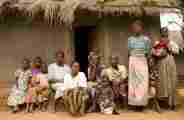
Mariam Cissé is a mother of three and living with HIV but when she arrived at Treichville Teaching Hospital in Abidjan, Ivory Coast, she was not expecting news that would cause her to fear for her life. more
How HIV, poverty and drugs intertwine in Cambodia

A mother of two children, Hem Sreylyn was diagnosed with HIV at the age of 26 after she gave birth to her last child. more
Zimbabwe hospital network to launch psychosocial support radio station
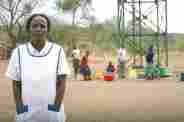
Volunteer hospital network Hospinet is setting up radio stations for patients to discuss issues such as HIV and sexual health. more
Carolines’s story: “I lost five children due to my ignorance of HIV”
A programme that helps mothers avoid passing HIV to their children has helped Caroline, who is living with HIV, give birth to two healthy children. more
Four million Ugandan mothers tested for HIV
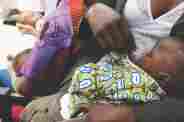
The Ugandan Ministry of Health reports that more than four million mothers have been tested for HIV since the virus was first diagnosed in Uganda 30 years ago. more
A former sex worker’s story about learning to protect her sexual health and rights
In Uganda, young people can find it difficult to access sexual and reproductive health services. A youth-friendly drop-in centre made all the difference to Rose, who started sex work aged 14. more
Female and transgender sex workers in Mumbai face barriers to sexual health services
Female sex workers are 13.5 times more likely to acquire HIV than all other women aged 15-49 years. More user-friendly health services are needed with stronger integration of HIV and sexual and reproductive health. more
Uganda: The role of communities in preventing parent to child transmission of HIV
Many groups and networks of people living with HIV are very knowledgeable about prevention of parent to child transmission and taking on active roles in enhancing service delivery. more
Uganda: Evaluating prevention of mother to child transmission services in Luwero
Luwero Forum of People Living with HIV, with support from the ViiV prevention of mother to child transmission (PMTCT) project, has carried out spot checks on health facilities, network support agents and health workers implementing the PMTCT project in Luwero. more
Global leaders call for accelerated progress on family planning
World leaders have announced progress on and new commitments to expanding contraceptive access for women in developing countries. more
Have political commitments to end AIDS driven improvements in women’s sexual and reproductive health in Asia?

A major commitment to end AIDS is evident in the Association of Southeast Asia Nations’ (ASEAN) declaration with its focus on the three Zeros: getting to zero new HIV infections, zero discrimination and zero AIDS-related deaths. more
Renew your promise to end maternal mortality, Clinton tells governments
Former US Secretary of State Hillary Clinton has called upon governments to commit funds to the health sector in order to achieve Millennium Development Goals (MDGs) four, five and six. more
New study shows little progress in meeting demand for contraception in poorest countries

A new study shows that the world has made little progress towards meeting the demand for contraceptives in the world’s poorest countries. more
Strengthen community in health services: key to stopping HIV stigma
“We are giving great care and services to our cars daily but we have failed to give the same treatment to women living with HIV/AIDS. Women deserve special attention and we must give them services.” more
Experts call for family planning gaps to be addressed ahead of 2020
Experts at Women Deliver 2013 have called for a clear set of priorities and to address gaps in research in order to realise the shortfalls in family planning as the world moves towards 2020. more
Link Up: engaging with young people at Women Deliver in Malaysia
Link Up aims to improve the sexual and reproductive health (SRH) of more than one million young people most affected by HIV and to promote the realisation of their SRH rights. more
Poor access to information prevents women from accessing skilled care during pregnancy and delivery - Maria Zulu’s story
Maria Zulu, 33, of Mutendere community in Lusaka, Zambia, is a mother of three and a widow. She came to know of her HIV status during her third pregnancy in 2009 when she was tested during her antenatal visit when she was three months pregnant. more
Multimedia strategy to tackle gender based violence in Zimbabwe
The government of Zimbabwe is developing a national multimedia strategy to harmonise messages on preventing gender based violence, family planning, cervical cancer screening and HIV prevention. This effort is being supported by the United Nations Population Fund and civil society … more
In Uganda one group of widows living with HIV is defying the odds
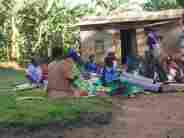
How one group of widows living with HIV is defying the odds to gainfully live their lives more
Uganda has launched HIV-free children by 2016 campaign
Uganda has joined other countries like Swaziland, Ghana, and Sierra Leone among others, and launched a new national framework to eliminate new HIV infections among children by 2016.
more
Stigma affecting uptake of paediatric HIV services in Uganda
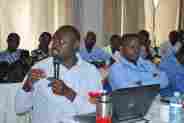
Stigma is undermining uptake of paediatric HIV prevention and AIDS treatment services in Uganda. more
Improving male involvement in eMTCT
A virtual discussion to explore how to improve male involvement in the elimination of mother to child transmission (eMTCT) has begun in Zimbabwe this week and will run until 30 April. more
US government committed to eliminate HIV in developing world
HIV/AIDS is the leading cause of death among women of reproductive age in Uganda. It is estimated that nearly 1.4 million Uganda are living with HIV and each year 98,000 pregnant women are at risk of transmitting HIV to their babies
more
Uganda adopts EMTCT intervention Option B+
Uganda has adopted a new policy called Option B+ for the elimination of mother to child transmission of HIV (EMTCT). According to the Ministry Of Health the new policy guidelines focus not only on eliminating HIV transmission mother to child, … more
Traditional birth attendants determined to stay on in Uganda
Officially, traditional birth attendants (TBAs) in Uganda are not allowed to carry out deliveries. Instead, they are supposed to direct all expectant mothers to formal health facilities. The official line from the government of Uganda is that TBAs should not … more
Fees for pregnant women, under 5s and over 65s must be eliminated in rural Zimbabwe, says health minister
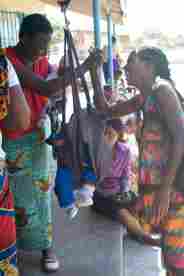
A policy scrapping user fees for pregnant women, children under five and those over 65 must be enforced, particularly in rural areas, Zimbabwe’s Minister of Health and Child Welfare Dr Henry Madzorera has said. more
What choice do our Ugandan mothers have?
Once upon a time, there was a woman from eastern Uganda who walked all the way from Kamuda village to Soroti town 12 kilometres away only to deliver on the bare ground outside the hospital while people looked on. more

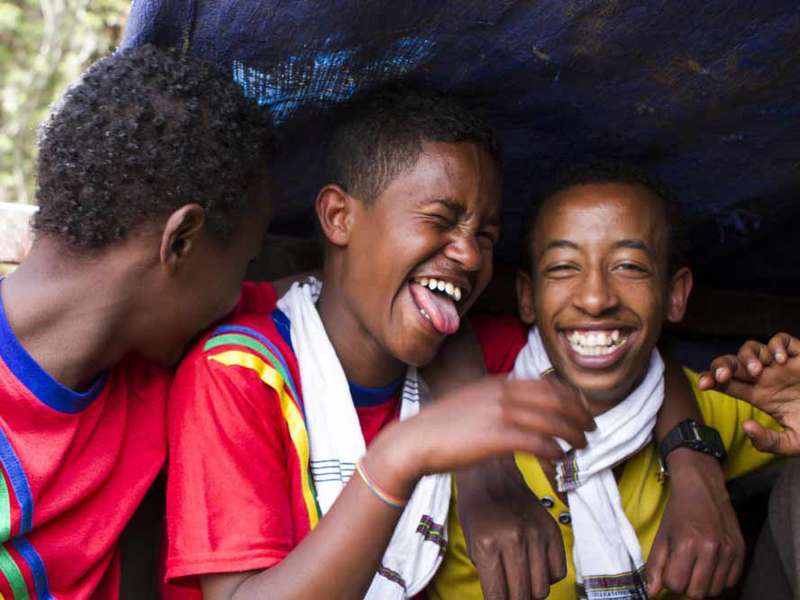 Our correspondents are writing for change on HIV issues relating to young people, as well as drug use.