

HIV and the key players
Key Correspondents bring the global to the local by reporting how decisions made by governments, international donors, multilateral and bilateral agencies and the private sector affect people's attempts to stay healthy.
KCs also examine the way international agreements such as the Millennium Development Goals and Trade Related Intellectual Property Rights impact on communities most affected by HIV.
Global Fund approves $17 million for new HIV programmes in Africa
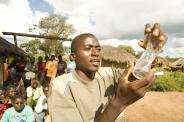
The Global Fund to Fight AIDS, TB and Malaria has granted around US$17 million to two consortia of organisations focussing on key populations most affected by HIV, to combat the disease across eastern and southern Africa. more
Progress and missed opportunities at World Health Congress
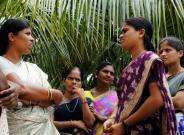
As a medical professional attending the World Congress on Publich Health, I was keen to see how current priorities would be addressed, but the clear lack of community dialogue was disappointing. more
Malawi confronts challenges in prioritising HIV response
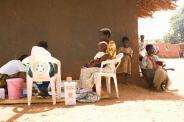
Malawi has appointed new principal recipients to administer $574 million allocated to fight HIV, as it seeks to end financial scandal involving the National AIDS Commission. more
Malawi and Brazil HIV project in limbo for three years
A one-year project with a budget of US$100,000-200,000, to build cooperation between the Brazilian and Malawian governments in their responses to HIV, has not got off the ground for three years. more
Financing trends and making smarter investments in the HIV response
During a high-level political session at the 20th International AIDS Conference, UNAIDS
executive director Michel Sidibé called for a new set of treatment targets by 2030. more
Communities must remain at the forefront of HIV response
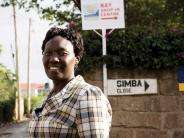
Debate at AIDS 2014 is putting a spotlight on governments and policymakers who are failing to involve communities in HIV and TB programmes, turning instead to researchers and experts to make key decisions. more
No cause for panic as Kenya faces steep cuts to AIDS funding
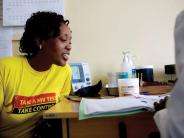
PEPFAR, one of the biggest donors for HIV programmes in Kenya, has been making steep funding cuts, according to civil society sources. more
Health experts call for integrated approach to HIV and TB in Zimbabwe
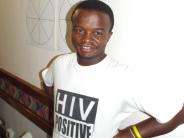
Tremendous progress has been made in minimising the spread of HIV while TB programming is weak in comparison, according to UNAIDS country director for Zimbabwe. more
The Global Fund brings new funding model to Latin America
The Global Fund to Fight AIDS, Tuberculosis and Malaria is touring countries in the global south to explain the features of their new funding model (NFM). more
Malawi to prioritise gender-based messages in response to HIV and TB
A new civil society charter to tackle HIV and TB is prioritising gender-based messages to help change people’s behaviour. more
Uganda gets USD 420 million to fight HIV, TB and malaria
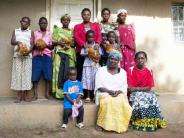
Uganda has received over 400 million US dollars from the Global Fund to beef up the fight against HIV, TB and malaria. more
New civil society partner elected to coordinate AIDS conferences

MSMGF has been elected as a new civil society partner for the next two International AIDS Conferences. more
Malawi develops civil society charter to tackle HIV and TB
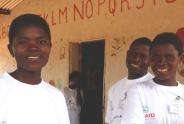
On 13 February, civil society organisations and partners met in Malawi met to develop a civil society priorities charter in the response to HIV and TB. more
Zambia and Swaziland develop roadmap to change behavior in response to HIV
Zambia and Swaziland develop advocacy roadmaps to ensure campaigns to change behavior are central to their countries’ response to HIV. more
Malawi faces shortage of healthcare workers as it battles AIDS epidemic
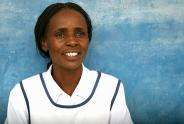
Malawi’s health sector is grappling with a serious lack of trained health care staff that could have an impact on its plans to reach a greater number of HIV-positive Malawians with antiretroviral therapy. more
Zambian health minister blames UNICEF for rationing of HIV medication
A Zambian deputy minister of health has admitted rationing HIV treatment but blames UNICEF for the delay in making the lifesaving drugs available. more

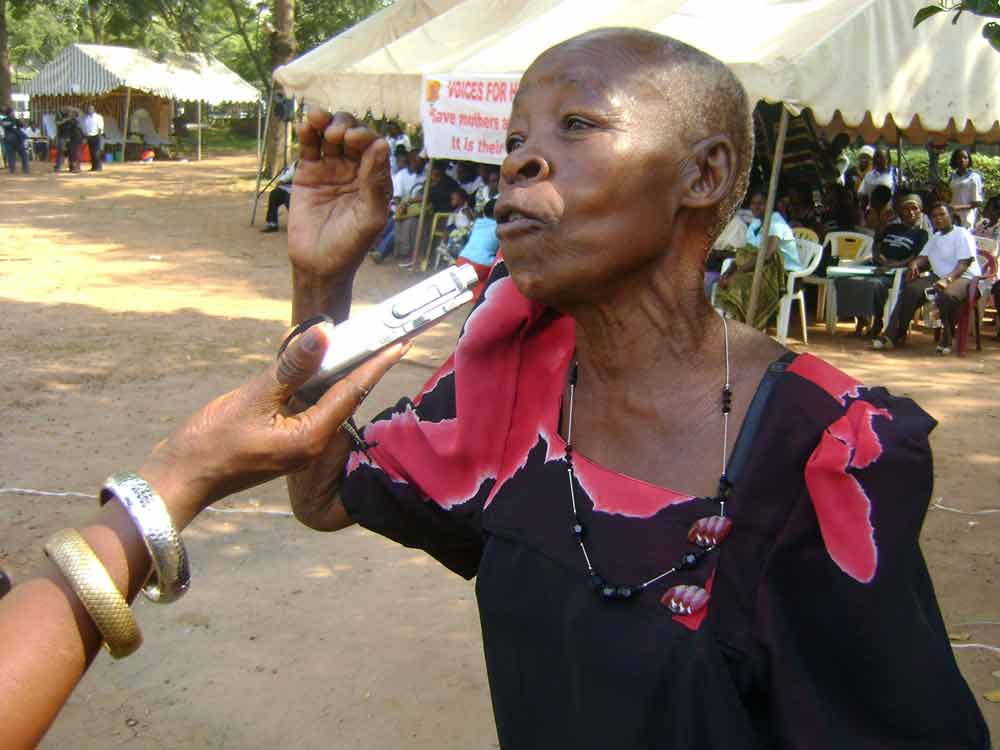
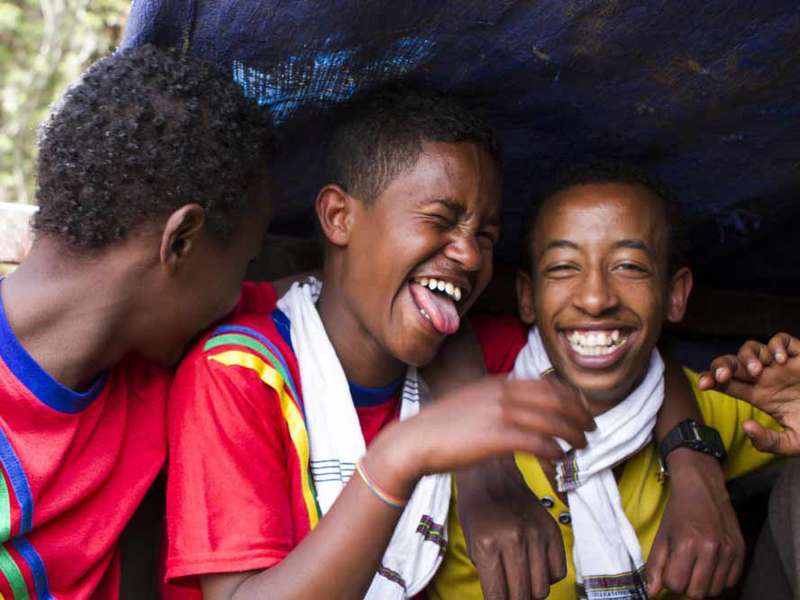 Our correspondents are writing for change on HIV issues relating to young people, as well as drug use.