Meeting under the theme Building Alliances, eSwatini’s annual IDAHOT celebrations included KP’s in the celebrations for the first time.
The annual IDAHOT (International Day against Homophobia and Transphobia) celebration eSwatini is an annual event hosted since 2012. It has particular importance for the LGBTI+ calendar. This year we gathered at the Manzini Club in Manzini Town, on the 16th of June, 2018. The event was held as part of a Key Populations (KP) programme which meant the inclusion of of this population in the celebration. ESwatini KPs are defined as sex workers and men who have sex with men (MSM).
The theme for this year, Building Alliances, is a very important factor in the advocacy for equal human rights. In conversation with some activists in attendance we explored the theme’s value. We also evaluated the goals of previous years, measuring how they’ve been used to improve and strengthen advocacy.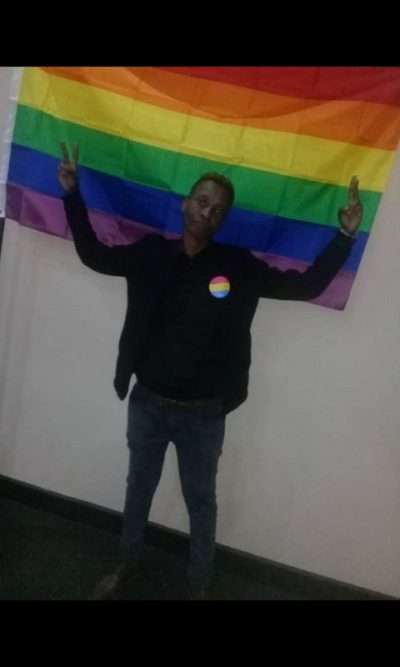
Mini Ndzinisa is an activist who has attended every IDAHOT celebration since its inception. For Ndzinsa IDAHOT is not “simply an event but a movement. It is an opportunity for a group that is usually marginalised and ignored to stand together in unity. (It’s) always been organised by the LGBTI+ community, so it is not only for us but it is also by us. That gives me such hope for the community as a whole.”
The theme this year is particularly poignant because of the environment eSwatini. The rights of sexual and gender minorities are ignored by the general population, the law, and authorities. Standing together with fellow community members, allies and partners is exciting. We may have a long way before we are fully accepted but recognition and respect are a great start.
Making the day more inclusive by opening it up to KPs asserts that we cannot demand recognition from the general population and then further exclude other groups also relegated to the fringes. Beyond the event, the theme and issues brought up on the day have a tangible and long-lasting effect on the individuals in attendance. This influences how we interact with others moving forward.
Another attendee, Sbu Nxumalo had this to say, “I am happy with today’s IDAHOT. We have advanced from being just a simple conversation to a full-on event over the years. It shows a lot of growth and improvement to see the different groups that are here today acknowledging the theme of the year. We are building alliances with government. The Ministry of Health is here. This means that all the work and advocacy is paying off. (Their presence at]) our event is a big plus and it must be appreciated.” 
For Tshepi Dlamini, a first-time attendee, the day was an eye-opener. “I kind of thought it would be a big party. I was surprised to come here and find HIV testing and counselling tents. There were too many speeches. This made the day overly formal. But I really enjoyed the games and seeing everyone free and happy made me feel welcome too. It certainly changed my perspective on sex workers to see them and mingle with them openly. I made a lot of friends. For me is this is the same as building alliances.”
“IDAHOT to me is celebrating trans inclusion and gender diversity within the feminist movement, my right to self-determine my own identity and expression.” Jay Dlamini is the director of Hoop and an organiser of the event. “As a feminist woman, I see the inclusion of sex workers as a means of supporting other women and that is a movement of solidarity. If we cannot stand together, we can’t very well stand against patriarchy.” She added, “This year’s theme is perfect for us as community-based organisations eSwatini standing together in solidarity to bring about change for all. After all, they are also vulnerable to HIV risk, and are also fighting for their rights. I look forward to seeing other community-based organisations in the country working together to improve the celebration in future.”
There is clear growth visible from when the first IDAHOT was hosted six years ago. Not only in terms of attendance, but also in how the celebration is commemorated. The visibility of HIV testing tents was a first of its kind and it proves that HIV yindzaba yetfu sonkhe. LGBTI+ people and KPs are serious about reaching the 90-90-90 target aim. Diagnose 90% of all HIV positive persons, provide antiretroviral therapy for 90% of those diagnosed, and achieve viral suppression for 90% of those treated by 2020. It’s one day in a year that belongs to us, by us. Building from nothing it’s a notable start.

COMMENTS