The historic erasure of autonomous story-telling in Africa requires a queer audit – a retelling of the diverse LGBT+ narratives in traditional and digital media.
“Stories matter. Many stories matter. Stories have been used to dispossess and to malign, but stories can be used to empower and to humanize.” – Chimamanda Ngozi Adichie, novelist.
Media representation in many Sub-Saharan African countries is tied to the socio-political and socio-economic inequalities of the respective regions, as well as their movements towards independence and equity. An aspect of colonial culture, which is the culture of people speaking for, but not on behalf of groups of people in the region, has created an unfortunate one-dimensional manner of storytelling.
Sexual and gender minorities fall within this categoryas a group particularly affected by issues informed by anti-gay laws that prohibit their enjoyment of human rights, Mainstream media space fails to carry a diverse range of stories that are reflective of the multi-dimensional, multi-faceted realities of sexual and gender minorities. This leads to a singular narrative which breeds caricatures and stereotypes about and around the LGBT+ population. Additionally, there are instances where politically incorrect language informs poorly interrogated stereotypes and adds to societal stigma.
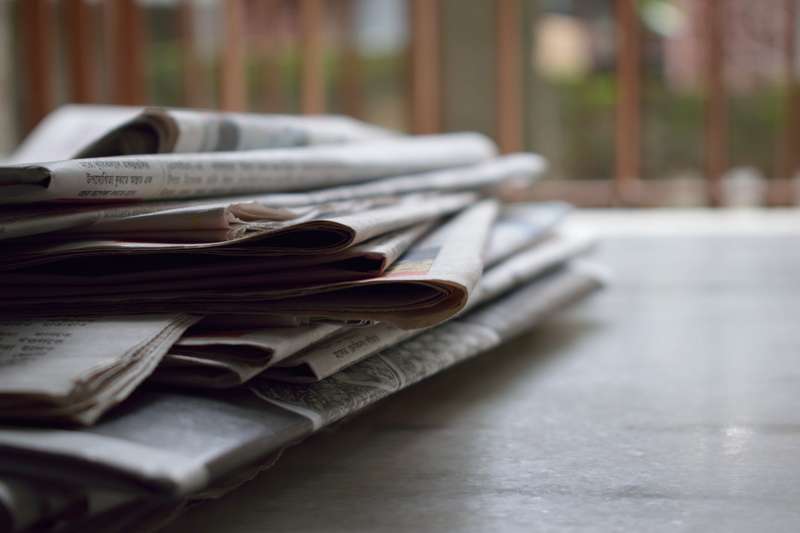
While a caricatured image of the LGBT+ population exists in print and broadcast news media, human rights violations reports are covered in the news space. However, problematic language is used within these stories. While stories about human rights violations are important, the constant manner of linear reporting further dehumanizes and takes away the socio-political agency of LGBT+ persons, either seen as victims or innate problems within society, placing them in an “other” category. Whilst normalising the negative behaviour geared at them.
There is a new dawn for queer stories – through the rise of the digital age. Digital media opened a pathway for diverse realities to be told. Afroqueer and mambaonline are just two examples that not only gave glimpses of diverse realities within the LGBT+ population, but also opened a safe space for the community to find their own representation and enhance their own dignity and humanity.
However, it must be noted that the dawn of the digital age did not these create stories, but rather enhanced their visibility. Through seeds planted from unapologetically queer publications such as Tommy Boys, Lesbian Men and Ancestral Wives (Ruth Morgan and Saskia Wieringa), and the detailed documentary of Bev Ditsie’s Simon and I should be noted in history as fundamental pieces that inform the growing culture of multi-diverse stories of LGBT+ people in Africa.
Through the rising depth of different realities shown in digital media, popular media houses are gradually rising to the occasion. This, through a reflection of the growing movement towards LGBT+ rights being realised, could lead to an alternate narrative of the LGBT+ population. African LGBT+ stories are important. They humanise and create empathy.
Conclusively, the multiform representation of the LGBT+ population will not only lead towards the empowerment and humanisation of the population, but further inform us of multiple realities that exist within this great continent.
COMMENTS