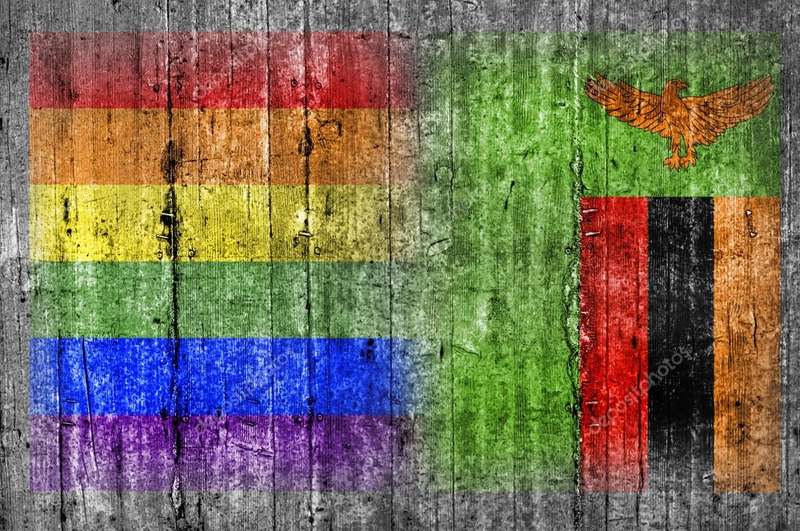
Zambia Police institute an investigation into an alleged intimate affair between two young, Lusaka women after their images went viral on social media
What had started as just another Facebook gossip post about two alleged lesbians in Lusaka soon gained steam. In a mere two days radio stations were discussing it. Eventually prompting the Zambia Police to take interest in the matter. With the country’s deep intolerance against homosexuality, opinions on social media were harsh and called for the arrest of the two whose pictures had been posted by a purported “concerned member of the public” on Facebook.
Although there were just as many people against the persecution of the accused, it was not enough to stop the police from issuing the following public statement by Spokesperson, Esther Katongo: “Police in Lusaka have launched investigations in the matter in which pictures of two girls believed to be in a same-sex relationship have been circulating on social media. According to Section 158 subsection 1 and 2 of the Penal Code, Cap 87 of the Laws of Zambia, it is an offence for people of the same-sex to engage in an intimate relationship or sexual affair. 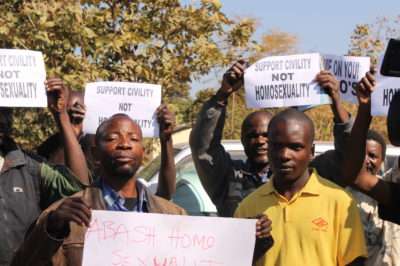
Section 158 (2) states that any females who, whether in public or private, commits any act of gross indecency with a female child or person, or procures a female child or person to commit any act of gross indecency with her, or attempts to procure the commission of any such act by any female person with herself or another female child or person whether in public or private, commits a felony. Any person convicted of this offence is liable to imprisonment for a term of not less than seven years and a maximum sentence of fourteen years.
Section 155 (a) of the Penal Code under Unnatural Offences criminalises carnal knowledge against the order of nature and anyone found guilty is liable to imprisonment for a term not less than fifteen years while the maximum sentence is life imprisonment. Police officers from the Cybercrime unit have since instituted investigations in the matter involving the two girls. We appeal to people with information that may be helpful in the investigations to report to any nearest Police Station so that perpetrators are brought to book,” officials announced.
The police invited the public to report anyone based on assumption and speculation. This was not only dangerous to anyone not fitting into the public’s perceived norms, but regressive to the work being undertaken by local LGBT+ organisations. Panic and fear grew among the local LGBT+ community.
Chewe Sakala, a local LGBT+ activist lamented the sad development which was likely going to be used by the State to deviate public attention from serious cases of corruption and theft of public funds. She referred to events in 2013 when similar developments led to fear and uncertainty among the local LGBT+ community. Following the arrest of two young men for allegedly engaging in same-sex sexual activities, there was a surge in public homophobia largely incited by the State through the Police.
In a statement in the Lusaka Times on 4th April 2013, then Police Spokesperson, Elizabeth Kanjela, noted that: The homosexuality offence attracts a sentence of not less than five years imprisonment once one is convicted under the Unnatural Offences of Section 155, 156 and 158 CAP 87 of the Laws of Zambia. She added that anyone found wanting would face the wrath of the law as the police would be vigilant on perpetrators of such a crime. Kanjela appealed to members of the public to report anyone found committing this crime to their nearest police station, to maintain sanity in local communities. 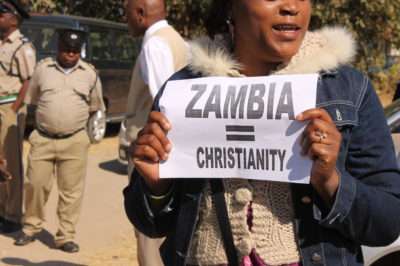
Sakala had this to say on the persecution of LGBT+ people in Zambia: “When it comes to the issue of homosexuality we all have our priorities wrong. Our leaders have failed us. The religious community has failed us. The traditional leaders have failed us. And the rest of us have simply fallen into step into condemnation of a harmless community of people. Yes we have laws against this, and obviously laws have to be observed (even when they are hurting the innocent) but at what point will we as a country decide to have conversations around this issue? We cannot just carry on brushing it off and expect it to go away. In life, we address problems by facing them. This whole process of witch hunting, arresting the accused, and throwing them into overcrowded prisons is one big charade. An expensive one at that. What is so difficult about starting objective conversations about this issue without trumpeting the annoying ‘you are promoting homosexuality’ ranting?”
Sakala encouraged various leaders and stakeholders to speak up – take a stand. To traditional leaders she said:
“Let’s hear from you and from a cultural and traditional perspective – how did you handle this in your settings? Medical professionals, tell us your views – is it genetic? Is it acquired? Can it be treated? The church, kindly educate us instead of always spewing intolerance and quoting the scripture – is homosexuality a deeper sin than adultery? Why aren’t you preaching love? Political leaders, we need your honest opinions on what you intend to do about this issue apart from always telling us it is a Western import.”
Sakala continued with a poignant reminder saying, “These are the same people that pay taxes towards your living expenses, who employ a lot of other people and even walk in your power corridors. As citizens, we are exhausted with the same rhetoric. We want something fresh. We need progressive thinking that speaks to universal human rights.” She speculated about when the country will start focusing on the real problems of poverty, disease, unemployment and sexual violence against women and children.
Zambia’s 2017 economic outlook looks strained on the backdrop of gross public resources mismanagement and theft, high financial borrowing, incompetent leadership and a silent church on these issues. Reuters reported on February 16th, 2018 that the International Monetary Fund had rejected Zambia’s latest borrowing plans for a $1.3 billion loan agreement. Stating that this could risk making it harder for the country to sustain its debt load. Furthermore, control systems within government institutions are weak resulting in massive theft and misappropriation of public funds. This is evidenced by Government suspending six accountants from the Ministries of General Education and Finance to pave way for investigations. This was following revelations of theft in the Auditor General’s report showing US$270 000 expensed for unexplained purposes.
To date, authorities have not carried through their investigations into the matter of the two women. While the local LGBT+ community may have breathed a sigh of relief, damage has been done to the work by local community-based as well as international organisations in the fight against HIV/Aids – which has a great impact on the LGBT+ community.
COMMENTS