
Lack of new HIV prevention technologies puts lives of key populations on the line.
“I don’t know anything about PrEP. What I know are condoms, which I use to prevent myself from contracting the HI virus,” Mirriam Banda said, wrapping a loose thread in her skirt around her finger.
For the past two years, Banda has been living off earnings from sex work in Malawi’s capital, Lilongwe. However, she doesn’t feel safe, as options that could protect her from contracting HIV such as Pre-Exposure Prophylaxis (PrEP) are out of her reach.
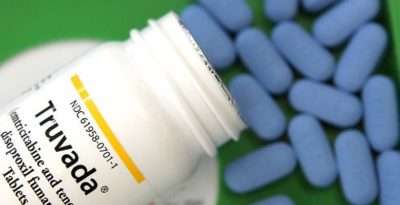
TRUVADA (emtricitabine/tenofovir disoproxil fumarate) for PrEP® is a prescription medicine that can help reduce the risk of getting HIV-1 when taken every day
Ministry of Health officials in Malawi announced that the government is yet to rollout guidelines on PrEP. But Health Rights advocates have expressed worry over the delay in adopting new HIV prevention technologies like these. Which constitute a daily pill taken to lower the chances of getting infected with HIV.
Apart from the delays in adopting new prevention technologies, Health Rights advocates also believe that the government is turning a blind eye to improving budgetary support for the Health Sector.
This despite Global Rights advocates for HIV prevention like Aids Vaccine Alliance Coalition (AVAC) criticising African governments for their silence on PrEP and the limited access to the drug.
Macdonald Sembereka, one of Malawi’s health rights advocates has encouraged government to speed up the process of adopting the drug: “We wish the guidelines were adopted yesterday to ensure that people have access to the drug as they are helpful and successful elsewhere.”
In other countries such as Zimbabwe, sex workers are able to access PrEP. A Zimbabwean sex worker Scotchy, has been using the drug for the past four years. She says she feels much safer using it.
“I started using PrEP in 2014. For me, PrEP works if taken properly. PrEP is not a standalone method. It should be accompanied by other prevention tools like condoms, because it doesn’t prevent pregnancy or STIs,” she said.

COMMENTS