Link Up
As part of the Link Up programme, Key Correspondents are being trained to report the stories that matter most to young people when it comes to their sexual and reproductive health and rights. In many instances, the correspondents are young people themselves and are being empowered through Link Up to advocate on sexual and reproductive health issues to influence within their own community and at national and international levels.
Young people in desperate search for safer sex
For young people in southern Africa a lack of access to condoms is putting them at risk of unwanted pregnancies and HIV, and could ultimately jeopardise their lives. more
The inside scoop with organiser of Delhi’s first LGBT flash mob
Gautam Yadav catches up with Harmless Hugs’ team member Shashank Kashyap for the inside story on the LGBT flash mob that hit the headlines. more
How young people in Burundi are tackling HIV
On World Sexual Health Day (4 September), HIV youth advocates are highlighting the fact that the disease is the number one cause of adolescent deaths in Africa. more
Young people lead on HIV response in Burundi
Around the world many young people remain unaware of their HIV status, which is the second biggest cause of adolescent deaths. But in Burundi, young people are leading the way to address this issue. more
Towards a sustainable future: creating room for youths
A new global plan for sustainable development will take centre stage at this year’s United Nation’s General Assembly, but the role that young people will play is still unclear. more
Video: I’m a transgender sex worker, but only God can judge me
Amnesty International’s new policy on sex work is an important milestone, but the fight for sex worker rights is far from over. more
Amnesty International policy: sex workers v Hollywood stars

As the debate over sex work heats up, Amnesty International must listen to sex workers, not Hollywood stars, and finalise its draft policy calling for decriminalisation of sex work. more
Knowledge is power: young people learn about sexual health rights
Link Up, a sexual and reproductive health and rights project led by the International HIV/AIDS Alliance, has reached more than 500,000 young people since it began in 2013. more
My story: standing strong with HIV

My name is Sungano Bondayi, I was born in 1989 in Zimbabwe, and I was born with HIV. This is a digitial media story I made about my life. more
Bangladesh: Photo Voice helps young people tell their stories
Listening to the voices of young people is one of the major themes of the post-2015 development agenda, but does this include a diversity of voices? more
Video: campaign for medical outreach to school for the deaf
In Imo State, Nigeria, a local organisation is campaigning for funds to bring a free medical mission to a school for the deaf, to provide eye screenings as well as sexual health information. more
The cost of living: young Burundians pay for friend’s surgery
As an orphan living with HIV Alberic had no one to help him with his emergency hospital fees, but then his friends stepped in. more
Blame game doesn’t help address sexual vulnerability of girls
Kanze was raped when she was 13, leaving her pregnant and infected with HIV. To end adolescent AIDS governments and civil society groups must work together to address the sexual vulnerability of young people. more
Born with HIV, grappling with adolescence
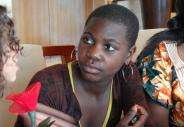
Due to the success of antiretroviral programmes in Malawi, many more children born with HIV are not only reaching, but also thriving in adolescence. more
Nalia’s story: adolescents who sell sex in Ethiopia
When Nalia left her village for Addis Ababa, she expected to find a job and send money home to her family. Aged just 13, her choices were limited and she started selling sex. more
How the HIV response is failing teens across Southern Africa
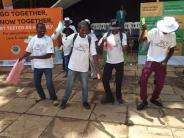
Adolescents across Southern Africa face barriers to HIV prevention and treatment, contributing to increasing AIDS-related deaths in this age group. more
Are adolescents an invisible generation in HIV response?
As UNICEF and UNAIDS launch the All In to end Adolescent AIDS campaign, Owen Nyaka asks will it make a difference to the invisible generation of adolescents living with HIV? more
How poverty and stigma are hindering HIV treatment for Uganda’s adolescents
Stigma, poverty and lack of opportunities is creating a vicious cycle in Uganda, blighting the chances of young people and putting the health of the next generation at risk. more
Youth must be central to new campaign to end AIDS
Leaders from around the world met in Nairobi on 17 February, to launch a new global campaign to tackle adolescent AIDS, the second leading cause of death among teens globally. more
New platform for action on adolescent AIDS must tackle disclosure
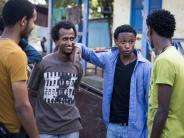
As leaders from around the world gather in Nairobi to launch ‘All In’ to end adolescent AIDS, Lucy Maroncha explores the issue of HIV disclosure, a key issue this initiative must tackle. more
“Why I am not scared of knowing my HIV status”
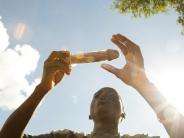
As UNAIDS and UNICEF launch All In! on 17 February, a global initiative to reduce the unnecessary deaths of adolescents living with HIV, this is the first in a series of stories on this issue. more
Youth at risk of HIV: whose responsibility anyway?
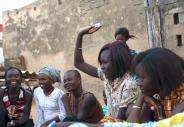
Young people often lack information on sexual health, and when you see this impacting teens in your neighbourhood it’s time to take action. more
Ethiopia: coffee ceremony used to educate on HIV

The Ethiopian coffee ceremony tradition helps strengthen community bonds - health workers are also discovering it is a perfect opportunity to discuss difficult topics. more
Young people must ‘rise up and be counted’ in HIV response
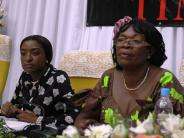
A Zambian government minister is raising awareness of the urgent need to include young people living with HIV in the response to the epidemic. more
Condom rebrand vital to curb new HIV infections among Malawi’s youth
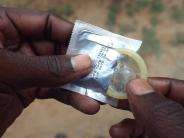
Condoms have become increasingly unpopular among young people in Malawi, contributing to high HIV transmission rates. more
Young Zimbabwean spreads the word on living positively
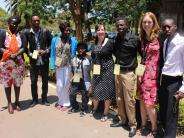
Life for Kelvin Makura has been a tale of two challenges to which he has adapted in a positive way: living with both HIV and a physical disability resulting from stunted growth. more
Young people needed to tackle HIV in Zambia
Around 72 new HIV infections are recorded every day among Zambian youths and adolescents, which translates to three per hour, according to UNICEF. more
Steps towards an HIV-free generation in Uganda
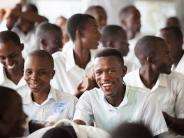
Worldwide an increasing number of children who contracted HIV as babies are surviving into adolescence, even without medication, but many are dying before treatment can be initiated or be effective. more
My turning point as an HIV activist: the death of my brother
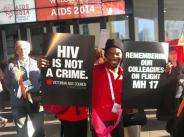
When I was 15, in the vacation during my O-levels, I watched my elder brother die due to AIDS-related infections. This was a turning point for my life. more
Young people: the key to ending AIDS by 2030
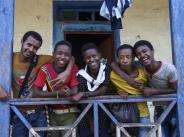
What do you a call a group of young people including lesbians, gays, bisexuals, transgenders, sex workers and drug users? No, this isn’t a joke – it couldn’t be further from a joke. more
African youth demand own goals in 2015 development framework
Young Africans are leading the call for stand-alone goals for young people in the post 2015 development agenda, which will be discussed at the UN General Assembly this month. more
Governments urged to prioritise youth in sexual health to end AIDS by 2030
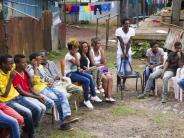
The goal to end AIDS by 2030 may go unaccomplished unless young people are prioritised in sexual and reproductive health policy and programmes. more

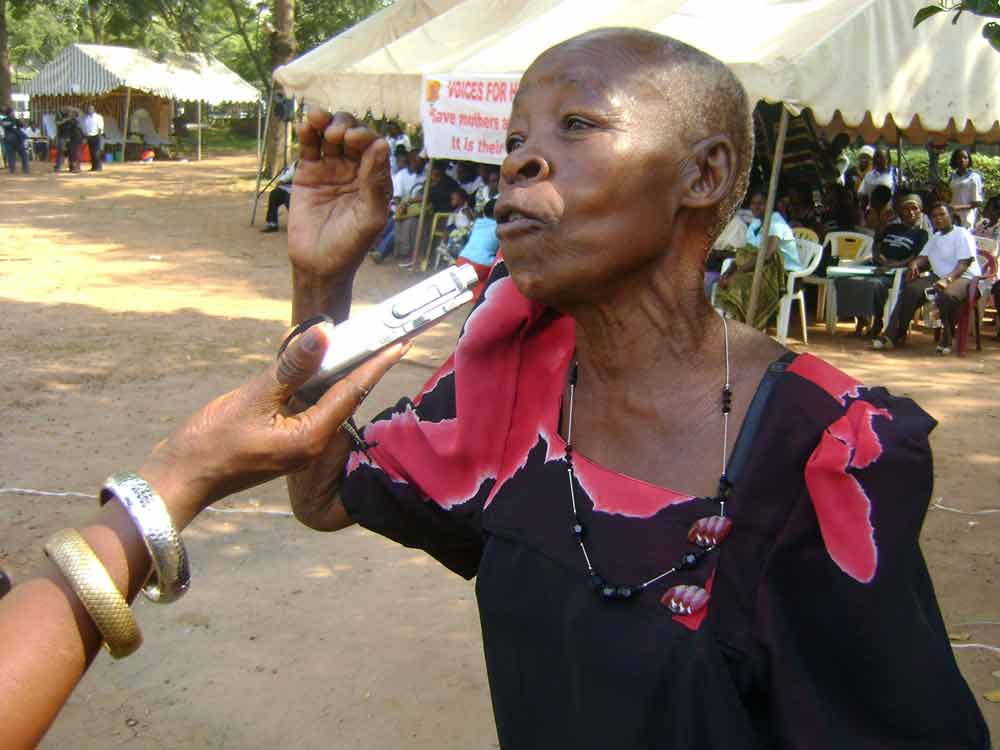
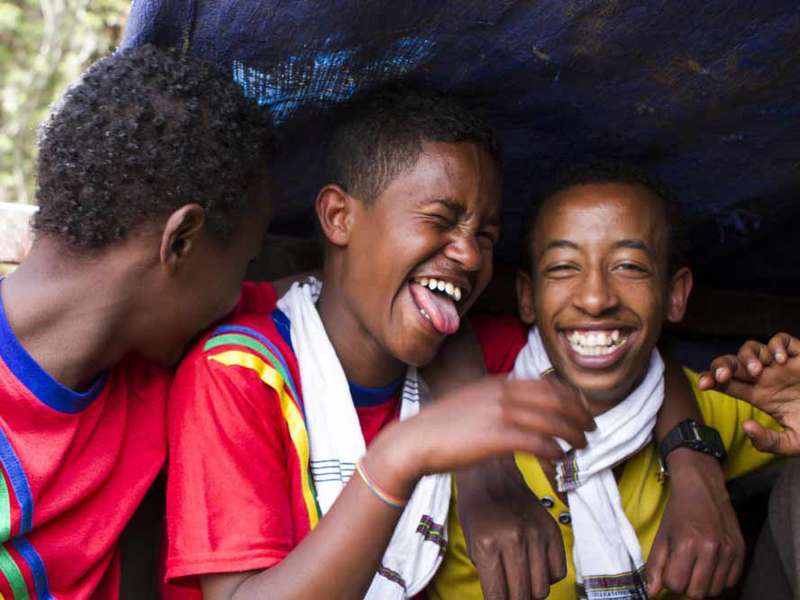 Our correspondents are writing for change on HIV issues relating to young people, as well as drug use.