
Gender
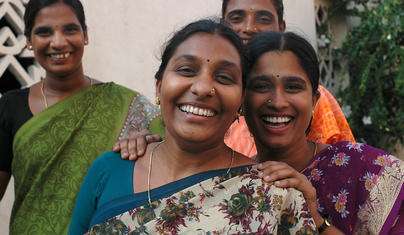
KCs report what life is like for women facing gender-based discrimination and violence, some of whom are also living with HIV, TB and other serious health issues. Stories range from women rebuilding their lives and their sexual and reproductive health after suffering rape and violence to mothers who have experienced and overcome stigma and abandonment after developing complications during childbirth, such as fistula.
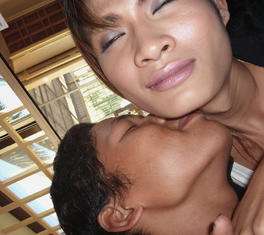
KCS also highlight the impact violence and discrimination have on transgenders, gay men, lesbians and men who have sex with men by telling individual stories of struggle and empowerment and by documenting grassroots campaigns and community activities.
Using education as a tool in improving maternal health in Zambia
Education is a powerful tool for elevating women’s status and improving their health and general well being, argues KC Chineduari. more
Zim’s rural female-run businesses in the spotlight
The inaugural Zimbabwe Market Fair took place in Harare this weekend (28 to 30 October, 2011) to highlight marginalized businesses belonging to rural women and youths. more
Traditional birth attendants ‘blamed for maternal deaths’ in Kasese district, Uganda
A medical superintendent from Kasese, Uganda has blamed the area’s increasing maternal mortality rate on the “unskilled labour” of traditional birth attendants. more
Openly gay Kenyan man to contest for president
From 256news.com
Kenyan politics is taking a new turn, with the declaration of an openly gay presidential candidate. From an article in the blog Generation Kenya, Dennis Nzioka, who is openly gay, has declared his intent to run for the topmost seat. go
Road race to save the lives of women in Okwaloagbo, Northern Uganda
Lira Rotary Club, in Northern Uganda has organized a road race that will take place on Saturday (29 October 2011) to raise funds to equip a local health centre with missing equipment such as delivery beds. more
Bring TBAs on board to reduce maternal mortality, doctors urge
Health experts have castigated the government and the Ministry of Health for fighting traditional complimentary services in Uganda, an approach they say is contributing to maternal death and the spread of HIV in children. more
Maternal health: KC radio clips in Kenya
Radio talk shows, features and interviews on maternal, neonatal and child health (MNCH) from Kenya. Includes interviews with three nurses, five community members and two KCs. Also includes a public service announcement that was featured on Ghetto 99.9 between the news and other programs. more
HIV remains big threat to maternal health in rural, post conflict areas
The more than twenty years of war that affected most of North and North Eastern Uganda left many women barren while others acquired HIV. KC Hope Mafaranga meets some of the women affected by conflict and tells their stories. more
High blood pressure and over bleeding main causes of maternal deaths in Rwenzori
The director of Fort Portal Buhinga Regional Referral Hospital has cited over-bleeding and high blood pressure in pregnancy as the major causes of maternal deaths in Rwenzori Region, Western Uganda. more
Study unveils rising maternal deaths in Kabarole District, Western Uganda
Pregnancy rates in Kabarole district, Western Uganda are rising and many expectant mothers are not seeking antenatal care, a new survey has found. more
Men in Kabarole urged to accompany their wives for antenatal to prevent HIV
Health workers in Rutete sub county, Kabarole district say the fact that men are not accompanying their pregnant wives for antenatal serves at the facility remains a major challenge to preventing HIV. more
Uganda’s Safe Motherhood Day to be hosted by Luweero district
The Ministry of Health will commemorate the annual Safe Motherhood Day in Luweero district, Uganda next week. more
Lack of radiologists leading to high number of preventable maternal deaths, specialists warn
KC David Kazungu reports on the shortage of radiology specialists in Uganda.
more
Uganda’s Ministry of Health advised to finance cancer screening exercises
From www.ugandapicks.com
Ministry of Health has been advised to finance cancer screening programmes. According to the report released by the World Health Organization say that the 7 million women in Uganda are between the age of 15 – 54 who are the risk of being infected by cervical cancer. go
Fishing community discusses maternal health and HIV
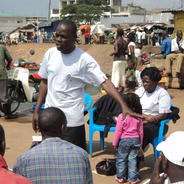
Fish mongers in Kampala, Uganda have been discussing maternal health and HIV. more
Ugandan women campaign to end violence against women
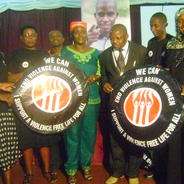
Women in Uganda have started a five year campaign called, We can End all Violence Against Women, that seeks to reduce the social tolerance and acceptance of violence.
more
FDA still concerned about contraceptives
From www.presstv.com
The US Food and Drug Administration “remains concerned” about the increased risk of developing blood clots in women who consume popular birth control pills. go
Psychosocial stress a factor in breast cancer
From www.healthnews.com
Psychosocial stress, in the form of fear, anxiety and isolation, have been linked to breast cancer, increasing the aggressiveness at which tumours progress. go
Government installs free phoneline for patients
Mbale referal hospital is situated 180 kilometers outside Uganda’s capital in the east. It runs by a thread. This was evident three days back when a pregnant mother passed away with her newborn baby after she failed to provide the medical doctors in … more
Rates of breast and cervical cancers on the rise worldwide
From www.healthnews.com
A sharp increase in the number of new cases of breast and cervical cancers has occurred over the last three decades, especially among women in developing countries. go
Reproductive Health Uganda Mbale branch organizes stakeholder review meeting
Reproductive Health Uganda Mbale branch is organizing a stakeholder’s review meeting on 26th September 2011 to share the achievements, lessons learnt and challenges experienced from a project supporting vulnerable people, particularly in light of the global economic downturn. The project … more
Ugandan men at higher reproductive risk
The neglect of men in planning for reproductive health and their negligence in accompanying women to health facilities is putting them at a higher risk of contracting sexually transmitted diseases (STIs) and other diseases, a maternal health advocate has expressed. more
70% pregnant women shun health centres
From www.observer.ug
Dr Aggrey Kagwisagye,Ntungamo, a district health officer in Uganda, has said only 30% of pregnant women in the district deliver in health centres. go
Obesity, blood donation and HPVs
From news.health.com
A look at what Health.com editors are reading this week go
Girls struggling to deal with the cost of menstruation
Talent Chifamba, a 22-year-old orphan from rural Nyabira in Zimbabwe, is a typical example of how girls and young women are struggling to deal with their menstrual cycles due to poverty. more
Women’s cancers reach two million
From www.bbc.co.uk
Two million women were diagnosed with breast or cervical cancer last year, according to global figures. go
STIs most common complaint amongst women at Ugandan slum health centre
Most women reporting to a health clinic in a slum area of Uganda are being treated for sexually transmitted infections (STIs), says the centre’s proprietor. more
Zimbabwe to launch plan for women, girls, gender equality and HIV
Zimbabwe will on Thursday (15 September 2011) launch its agenda for an accelerated action plan on women, girls, gender equality and HIV, according to Dr.S.J. Utete-Masango, Secretary for Women Affairs, Gender and Community Development. Utete-Masango said the accelerated agenda provides an … more
Birth control pills may alter memory
From www.presstv.com
A new study conducted at the University of California says women who use birth control pills remember emotional events differently than women who don’t. go
Obese, pregnant or both?
From www.bbc.co.uk
Nearly half of women of childbearing age are overweight or obese in the UK and this means there are increasing numbers of obese pregnant women. But spotting those mothers whose bumps are due to fat as well as a baby is difficult, not least because there are no UK guidelines on how much weight women should gain during pregnancy.
go
Rape victims missing out on vital treatment
In Cambodia, the national program on HIV prevention does not provide post exposure prophylaxis (PEP) services to victims of rape, despite this being an effective prevention method for these victims. more
US students design ultrasound for Ugandan midwives
From www.womensenews.org
A low-cost ultrasound system is on its way to Uganda in early summer. Produced by students at the University of Washington, it’s intended to help midwives battle the high death rate in the country’s rural areas.
go