
Gender
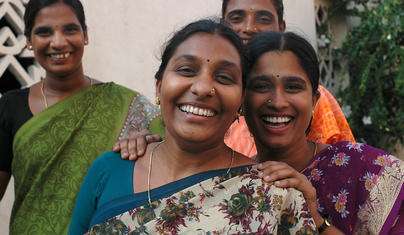
KCs report what life is like for women facing gender-based discrimination and violence, some of whom are also living with HIV, TB and other serious health issues. Stories range from women rebuilding their lives and their sexual and reproductive health after suffering rape and violence to mothers who have experienced and overcome stigma and abandonment after developing complications during childbirth, such as fistula.
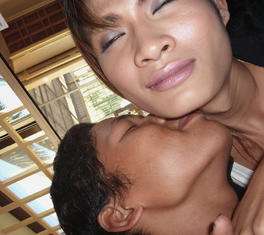
KCS also highlight the impact violence and discrimination have on transgenders, gay men, lesbians and men who have sex with men by telling individual stories of struggle and empowerment and by documenting grassroots campaigns and community activities.
Using education as a tool in improving maternal health in Zambia
Education is a powerful tool for elevating women’s status and improving their health and general well being, argues KC Chineduari. more
Zim’s rural female-run businesses in the spotlight
The inaugural Zimbabwe Market Fair took place in Harare this weekend (28 to 30 October, 2011) to highlight marginalized businesses belonging to rural women and youths. more
Traditional birth attendants ‘blamed for maternal deaths’ in Kasese district, Uganda
A medical superintendent from Kasese, Uganda has blamed the area’s increasing maternal mortality rate on the “unskilled labour” of traditional birth attendants. more
Openly gay Kenyan man to contest for president
From 256news.com
Kenyan politics is taking a new turn, with the declaration of an openly gay presidential candidate. From an article in the blog Generation Kenya, Dennis Nzioka, who is openly gay, has declared his intent to run for the topmost seat. go
Road race to save the lives of women in Okwaloagbo, Northern Uganda
Lira Rotary Club, in Northern Uganda has organized a road race that will take place on Saturday (29 October 2011) to raise funds to equip a local health centre with missing equipment such as delivery beds. more
Bring TBAs on board to reduce maternal mortality, doctors urge
Health experts have castigated the government and the Ministry of Health for fighting traditional complimentary services in Uganda, an approach they say is contributing to maternal death and the spread of HIV in children. more
Maternal health: KC radio clips in Kenya
Radio talk shows, features and interviews on maternal, neonatal and child health (MNCH) from Kenya. Includes interviews with three nurses, five community members and two KCs. Also includes a public service announcement that was featured on Ghetto 99.9 between the news and other programs. more
HIV remains big threat to maternal health in rural, post conflict areas
The more than twenty years of war that affected most of North and North Eastern Uganda left many women barren while others acquired HIV. KC Hope Mafaranga meets some of the women affected by conflict and tells their stories. more
High blood pressure and over bleeding main causes of maternal deaths in Rwenzori
The director of Fort Portal Buhinga Regional Referral Hospital has cited over-bleeding and high blood pressure in pregnancy as the major causes of maternal deaths in Rwenzori Region, Western Uganda. more
Study unveils rising maternal deaths in Kabarole District, Western Uganda
Pregnancy rates in Kabarole district, Western Uganda are rising and many expectant mothers are not seeking antenatal care, a new survey has found. more
Men in Kabarole urged to accompany their wives for antenatal to prevent HIV
Health workers in Rutete sub county, Kabarole district say the fact that men are not accompanying their pregnant wives for antenatal serves at the facility remains a major challenge to preventing HIV. more
Uganda’s Safe Motherhood Day to be hosted by Luweero district
The Ministry of Health will commemorate the annual Safe Motherhood Day in Luweero district, Uganda next week. more
Lack of radiologists leading to high number of preventable maternal deaths, specialists warn
KC David Kazungu reports on the shortage of radiology specialists in Uganda.
more
Uganda’s Ministry of Health advised to finance cancer screening exercises
From www.ugandapicks.com
Ministry of Health has been advised to finance cancer screening programmes. According to the report released by the World Health Organization say that the 7 million women in Uganda are between the age of 15 – 54 who are the risk of being infected by cervical cancer. go
Fishing community discusses maternal health and HIV
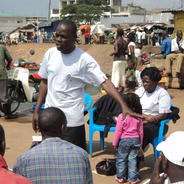
Fish mongers in Kampala, Uganda have been discussing maternal health and HIV. more
Ugandan women campaign to end violence against women
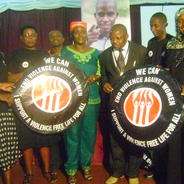
Women in Uganda have started a five year campaign called, We can End all Violence Against Women, that seeks to reduce the social tolerance and acceptance of violence.
more
FDA still concerned about contraceptives
From www.presstv.com
The US Food and Drug Administration “remains concerned” about the increased risk of developing blood clots in women who consume popular birth control pills. go
Psychosocial stress a factor in breast cancer
From www.healthnews.com
Psychosocial stress, in the form of fear, anxiety and isolation, have been linked to breast cancer, increasing the aggressiveness at which tumours progress. go
Government installs free phoneline for patients
Mbale referal hospital is situated 180 kilometers outside Uganda’s capital in the east. It runs by a thread. This was evident three days back when a pregnant mother passed away with her newborn baby after she failed to provide the medical doctors in … more
Rates of breast and cervical cancers on the rise worldwide
From www.healthnews.com
A sharp increase in the number of new cases of breast and cervical cancers has occurred over the last three decades, especially among women in developing countries. go
Reproductive Health Uganda Mbale branch organizes stakeholder review meeting
Reproductive Health Uganda Mbale branch is organizing a stakeholder’s review meeting on 26th September 2011 to share the achievements, lessons learnt and challenges experienced from a project supporting vulnerable people, particularly in light of the global economic downturn. The project … more
Ugandan men at higher reproductive risk
The neglect of men in planning for reproductive health and their negligence in accompanying women to health facilities is putting them at a higher risk of contracting sexually transmitted diseases (STIs) and other diseases, a maternal health advocate has expressed. more
70% pregnant women shun health centres
From www.observer.ug
Dr Aggrey Kagwisagye,Ntungamo, a district health officer in Uganda, has said only 30% of pregnant women in the district deliver in health centres. go
Obesity, blood donation and HPVs
From news.health.com
A look at what Health.com editors are reading this week go
Girls struggling to deal with the cost of menstruation
Talent Chifamba, a 22-year-old orphan from rural Nyabira in Zimbabwe, is a typical example of how girls and young women are struggling to deal with their menstrual cycles due to poverty. more
Women’s cancers reach two million
From www.bbc.co.uk
Two million women were diagnosed with breast or cervical cancer last year, according to global figures. go
STIs most common complaint amongst women at Ugandan slum health centre
Most women reporting to a health clinic in a slum area of Uganda are being treated for sexually transmitted infections (STIs), says the centre’s proprietor. more
Zimbabwe to launch plan for women, girls, gender equality and HIV
Zimbabwe will on Thursday (15 September 2011) launch its agenda for an accelerated action plan on women, girls, gender equality and HIV, according to Dr.S.J. Utete-Masango, Secretary for Women Affairs, Gender and Community Development. Utete-Masango said the accelerated agenda provides an … more
Birth control pills may alter memory
From www.presstv.com
A new study conducted at the University of California says women who use birth control pills remember emotional events differently than women who don’t. go
Obese, pregnant or both?
From www.bbc.co.uk
Nearly half of women of childbearing age are overweight or obese in the UK and this means there are increasing numbers of obese pregnant women. But spotting those mothers whose bumps are due to fat as well as a baby is difficult, not least because there are no UK guidelines on how much weight women should gain during pregnancy.
go
Rape victims missing out on vital treatment
In Cambodia, the national program on HIV prevention does not provide post exposure prophylaxis (PEP) services to victims of rape, despite this being an effective prevention method for these victims. more
US students design ultrasound for Ugandan midwives
From www.womensenews.org
A low-cost ultrasound system is on its way to Uganda in early summer. Produced by students at the University of Washington, it’s intended to help midwives battle the high death rate in the country’s rural areas.
go
The hidden epidemic of unsafe abortion and its impact on MDG5 in Zambia
The magnitude of unsafe abortion in sub Saharan Africa according to the WHO is that an estimated 4.2 million unsafe abortions occur throughout Africa each year. Currently 40% of all unsafe abortions among adolescents in developing countries occur in sub Saharan Africa including Kenya, Malawi, Uganda and Zambia. It is one of the main reasons women and girls seek emergency care and post abortion related complications. more
Maternal complications of pregnancy, a leading cause of Sudden Infant Death Syndrome (SIDS)
Dr.Billy Ndiwalana from Mbarara referral hospital says one of the leading causes of SIDS is maternal complications of pregnancy.
Sudden infant death syndrome (SIDS) is defined as the sudden, unexpected death of an infant younger than 1 year of age. If the child’s death remains unexplained after a formal investigation into the circumstances of the death (including performance of a complete autopsy, examination of the death scene, and review of the clinical history), the death is then attributed to SIDS and sudden infant death is a tragic event for any parent or caregiver; says Dr.Billy. He adds that SIDS is suspected when a previously healthy infant, usually younger than 6 months of age, is found dead following a period of sleep.
more
Sex workers from a highly populated Ugandan slum meet to discuss sexual health
CHAIN has held a second commercial sex workers’ meeting in Kawempe division (25 August 2011) in a highly populated slum on the role of creating awareness on HIV and AIDS and maternal health. KC Mwafrica reports.
more
Women and children: scaling up services for HIV, TB and malaria in India
Bharathi Ghanashyam on the Global Fund in relation to women and children in India more
Women asked to use female condoms
Women are being encouraged to use female condoms to be sure of their lives against HIV. The call was made yesterday during the function to hand over Rushere community hospital to the community. more
Men frustrate PMTCT program
A report from the Uganda Cares in Masaka has revealed that a total of 4700 women turned up at the centre to know their HIV/AIDS status compared to 2065 men who came at the centre for the same reason.
The National Medical Director for Uganda Cares, Dr Francis Ssali rated women at 61.3% against 38.3% for men coming to access Prevention of Mother to Child HIV transmission (PMTCT) at the Masaka centre.
more
C-section increases blood clot risk
From www.presstv.com
Experts at the American College of Obstetricians and Gynecologists say women who undergo caesarean section are at a higher risk of developing blood clots.
Pregnant women are already at a higher risk of blood clots formation in their veins…… go
Placenta rots inside mother’s womb
An expectant mother who started bleeding and had a miscarriage, was abandoned by doctors because of the stench of the placenta that was left in her womb. more
Husband disowns triplets
Rebecca Nalumaga (23) who gave birth to triplets is stranded in Masaka Regional Referral hospital after her husband, a prominent businessman from Munyonyo in Kampala, identified as Mansoor Mugisha denied being the father of the babies.
#Mugisha communicated to the Masaka hospital authorities saying that he wants to have a DNA test first to ascertain whether he was the real father of the babies.
more
Why Kenya’s mothers are furious with Fisheries Ministry
Despite repeated calls encouraging pregnant mothers to serve dishes rich in fatty acids into their daily diet, medics are worried that not many of them are gaining access to this ingredient, which studies have shown is crucial for the brain development of the foetus. more
Voices from the Women’s Community Forum at ICAAP
From www.citizen-news.org
The Women’s Community Forum organized in lead up to the 10th International AIDS Congress in Asia and the Pacific (10th ICAAP) in Busan, South Korea, has undoubtedly made it clear: women and girls need to be recognized not only as key affected populations but also as equal partners at all levels of HIV responses in local contexts.
go
Women in Uganda told to Delay Labour during Delivery
As the stress of under staffing holds back the quality of health services in Uganda, sometimes midwives instruct women not to delivery yet labour cannot wait. This can have severe consequences. more
Expectant mothers to access treatment and information on maternal health in rural areas
Expectant mothers in three Sub Counties in the Eastern Ugandan district of Soroti will soon be able to access maternal health information and treatment in all community health outreaches. more
ICAAP 2011: Spouses - the missing link in harm reduction program for IDUs
Women needs are not adequately address in harm reduction program for IDUs in north east India where HIV prevalence among IDUs is very high. Effective and sustained harm reduction program for IDUs can be successful if women needs are equally incorporated in the existing policy.
more
ICAAP 2011: Decriminalize and engage MSM and transgender populations in HIV responses
From www.citizen-news.org
Policies that criminalize same-sex behaviour and punitive laws continue to impede access to existing healthcare services for those at heightened risk of HIV such as men who have sex with men (MSM) and transgender populations. The 10th International Congress on AIDS in Asia and the Pacific (10th ICAAP) is being organized in South Korea - a country where a lot more needs to be done to provide safe, supportive and dignified access to services for LGBT community. go
‘We want to restore women’s dignity’ - fistula treatment camp opens
Women suffering from fistula holes in the bladder that occur due to complications during labour, face stigma and social exclusion. But a clinic in Kabarole, Uganda has opened up a free treatment camp for fistula sufferers, offering many women in the area hope. KC Mafaranga reports.
more
Young pregnant women in rural areas of Zambia crying out for HIV testing kits
HIV testing is a unique entry point for antiretroviral therapy (ARV). Access to health services in the rural areas in Zambia remains a challenge, despite governments commitment to providing affordable quality services to all. With the high number of teenage pregnancies in rural areas, those most affected are young pregnant women who do not know their status before and after they deliver. more
ICAAP 2011: Needs and rights of key affected women and girls in HIV programmes: Report
From www.citizen-news.org
In the lead up to the 10th International Congress on AIDS in Asia and the Pacific (10th ICAAP), an issue-focussed and time-limited online consultation was facilitated on the issue: key affected women and girls, on SEA-AIDS by the Asia Pacific Alliance for Sexual and Reproductive Health and Rights (APA) and Citizen News Service (CNS) during 1-20 August 2011 [The summary report of this online consultation is online here. It will be released at the Women Community Forum of 10th ICAAP too on 25th August 2011]. go
Syringe left inside pregnant woman costs life of her and her baby
A syringe left inside a pregnant Ugandan woman’s body has cost the life of her and her new born baby. KC Kateregga reports. more
Promoting Food and Nutrition Security for Children and Pregnant Women Living with HIV in Ethiopia
From www.aidstar-one.com
Chronic food insecurity and achieving strict adherence to antiretroviral therapy (ART) are global challenges that, together, have a deleterious effect on children and pregnant women living with HIV. In Ethiopia, where the child malnutrition rate is one of the highest in the world, side effects of treatment threaten to reduce adherence to drug regimens and contribute to the development of drug-resistant strains of HIV. This case study examines how the Breedlove Project integrates HIV programming (treatment and PMTCT) with nutrition programming to address short-term and long-term needs of families and households in Ethiopia. go
Microfinance, HIV, and Women’s Empowerment
From www.aidstar-one.com
While gender, poverty, and gender-based violence alone do not define HIV risk, they increase women’s vulnerability. Gender-responsive economic empowerment/strengthening activities give women access to and control over vital economic resources, which ultimately enhance their ability to mitigate the impact of HIV/AIDS and reduce their vulnerability to HIV. With an increased focus on addressing the deeper structural and economic realities that limit the scope and impact of current HIV prevention activities, this technical brief offers HIV/AIDS field staff and program managers essential information on approaches to economic development—collectively known as economic empowerment or economic strengthening. go
Rural hospital opened to help expectant mothers
Expectant mothers thronged Kitojo Integrated Development Hospital (KIDA) in Rutete sub-county, Kabarole district on Sunday (21 August 2011) to get to get free treatment. Many expectant mothers came to the hospital for maternal and antenatal services, while others carried their children along to have them immunized.
more
Family Planning: Reducing the unmet need
From www.newvision.co.ug
A family is now regretting because it is unable to look after the many children produces , they feel they are a laughing stock in the village go
Mothers ‘fear’ male nurses - Wobulenzi, Uganda
Most mothers who report to health centres or hospitals to give birth are reluctant to have male midwives assist them in delivering. This was noted by male nurses who are undergoing an internship at Katikamu Health Centre III, in Wobulenzi Town Council, Luwero district, Uganda. more
When will justice be done over maternal deaths?
The Ugandan government is being sued over the unacceptable number of maternal deaths happening in the country. However the case, which was filed in March this year (2011) is yet to be heard. KC Mwafrica reports. more
Infant Feeding for Mothers Living with HIV
From www.aidstar-one.com
HIV can be transmitted from a mother to her child during pregnancy or delivery. When a mother is HIV infected, her baby can also be infected through breastfeeding. Several interventions reduce the risk of transmission in the first two phases. Until recently, there was uncertainty regarding appropriate and healthy options for feeding infants of mothers living with HIV.
The 2010 World Health Organization (WHO) Guidelines on HIV and infant feeding have changed this landscape dramatically. The benefits of breastfeeding can now be achieved by mothers living with HIV, with a very low risk of transmitting HIV to the infant when breastfeeding is combined with maternal or infant antiretroviral (ARV) interventions. This avoids the risks associated with formula feeding and attains the ultimate goal of “HIV-free survival” for more infants.
Cultural barriers, financial and manpower constraints, and other obstacles made it difficult to implement maternal, newborn, and child health and PMTCT programs recommended by WHO in 2006. In many cases, counseling and support for women were inadequate. The stigma associated with HIV compromised the ability of women to breastfeed, and the cost and complexity of using formula created further barriers to implementation.
Successful implementation of the 2010 WHO Guidelines will require several steps: national guidelines and policies related to HIV and infant feeding will need to be changed; training curricula altered; new training provided for health workers; and efforts to secure community support reinforced.
Finally, efforts to widely promote breastfeeding for all mothers—which have been compromised in recent years due to fears about HIV transmission—will need to be reinvigorated. go
New born twins die while mother lies in coma in Hoima Hospital
New born twins died this week and their mother is seriously ill.
The tragedy happened at Hoima regional referral hospital, situated 245 kilometers out of Uganda’s capital, when a surgeon who was supposed to be on duty was not in attendance. KC Kateregga reports. more
Local councilors voice concerns on maternal and child health in Uganda
The strength of local councilors in the decentralization foundation for effective service delivery is crucial in Uganda but needs revamping as local councilors oversea their constituencies, especially if issues like maternal and child health have to be effectively handled at community level more
Premature twins die as a result of faulty incubator in Masindi district hospital
Premature twins die as a result of faulty incubator in Masindi district government hospital. more
Cases of men who abandon their wives over obestetric fistula increase
Police in the Eastern Ugandan District of Katakwi have expressed concern over the increasing cases of men who divorce their wives after learning the woman is suffering from obstetric fistula. more
Pregnant women facing enforced starvation in rural Kenya
In Kedong Valley, Kenya when a local woman is discovered to be pregnant she will be immediately put under strict dietary restrictions. This is meant to control her intake of fats and proteins with the view to keeping her and the baby slim in preparation for a ‘smooth’ delivery. In extreme cases women will be allowed one meal in a day and a measured amount of milk. KCs Wangui Wambugu and Karanja Muraya investigate. more
Male involvement in health related issues still low in Uganda
In Uganda as in many cultures, men are the major decision makers concerning health issues in families. Their limited involvement in activities relatin to the care of their wives and new born children means that they are uninformed about many details concerning reproductive health and child bearing. The number of men who encourage and support their partner and their peers to use family planning and who influence the policy environment to be more conducive to developing male related programs at community level.
more