HIV and human rights
Human rights violations against women, sexual minorities and those on the margins of society such as people who use drugs increases their vulnerability to HIV. Violations can take the form of everyday stigma and discrimination as well as the aggressive actions of police or others in authority.
Many Key Correspondents advocate for the rights of women, sex workers, sexual minorities, people who use drugs and people living with HIV. They report the human reality of rights violations as a way to bring governments to account and advocate for fairer systems that enable all members of society to stay healthy and well.
Researchers put lens on sexual violence and sex work
Over 350 researchers, gender activists, policy makers, practitioners and survivors from around the world convened in South Africa for the Sexual Violence Research Initiative Forum this week. more
LGBT rights must be protected to ensure healthy lives for all
Next week, 193 governments will attend the United Nation’s General Assembly in New York to adopt new sustainable development goals. But how serious are they about ensuring no one is left behind in the goal to ensure healthy lives for all? more
The inside scoop with organiser of Delhi’s first LGBT flash mob
Gautam Yadav catches up with Harmless Hugs’ team member Shashank Kashyap for the inside story on the LGBT flash mob that hit the headlines. more
Video: I’m a transgender sex worker, but only God can judge me
Amnesty International’s new policy on sex work is an important milestone, but the fight for sex worker rights is far from over. more
Does my profile picture hurt you?
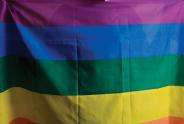
When the United States made same-sex marriage a constitutional right, I celebrated alongside thousands in the global community by changing my Facebook profile to the colours of the rainbow. more
Amnesty International policy: sex workers v Hollywood stars

As the debate over sex work heats up, Amnesty International must listen to sex workers, not Hollywood stars, and finalise its draft policy calling for decriminalisation of sex work. more
Kenya must protect human rights to attain zero HIV infections
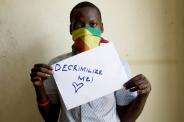
Human rights activists in Kenya are calling for a stop to ongoing anti-gay comments made by public figures in the country. more
Malawi inmates living with HIV appeal for supplementary food
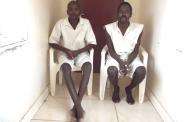
Malawian inmates living with HIV have sounded an emergency call for help, requesting authorities to supply fortified foods to improve the health of inmates living with the disease. more
Photo story: life as a gay man in Kenya
In Kenya, lesbian, gay, bisexual and transgender people are facing increasing discrimination. Here Dennis shares his story of dealing with stigma in health facilities and in his community. more
Homophobia in Cameroon: “We felt like prey hiding from a predator”
On the International Day against Homophobia and Transphobia, a gay man from Cameroon speaks out about how homophobia forced him to live a lie and flee his community. more
Homophobic violence hinders HIV response in Kenya
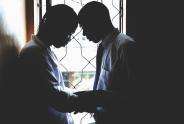
As the world embarks on an ambitious strategy to end AIDS by 2030, failure to protect the sexual and human rights of sexual minorities is putting this goal and many lives at risk. more
Decriminalising homosexuality in Kenya will help reduce HIV
In Kenya, stigma and discrimination against sexual minorities, particularly men who have sex with men and transgender people, is putting them at increased risk of HIV. more
HIV stigma drives sex work in Northern Kenya
When Zeinab left her home village in Northern Kenya to look for a job, she had one thing in mind; work hard to help her struggling family. But her plans were destroyed by something that would keep her from home for the rest of her life. more
African American history month: from civil rights to HIV
Every year, February is dedicated to African American history but this year I want to use the opportunity to address a modern equality issue that African Americans must fight for: equal access to HIV services. more
When hours turn to days: a ridiculed HIV woman stands strong
To her, the decision to test for HIV was a forced one. Forced by the fact her husband left her because she was growing thin, always feeling tired and occasionally falling sick. more
Bolivian minister breaks citizen’s HIV status confidentiality
HIV activists are in uproar following the Bolivian Minister of Health’s disclosure during a press conference of the HIV status of a Bolivian citizen. more
The impact of stigma on healthcare workers living with HIV
Nurse Nomsa provides counselling to people who are living with HIV, yet even as a health worker the fear of stigma is so strong she has not disclosed to her children that she is living with the virus. more
Discriminatory laws hinder Burundi’s response to HIV
On Human Rights Day (10 December), Jean Claude Kamwenbusa reports on how the criminalisation of same sex relationships in Burundi is putting people’s health and lives at risk. more
Campaign seeks 1 million men to end gender based violence
Today, as around the world 16 days of activism against gender based violence begins, many Kenyans are asking if the campaign is likely to help eliminate this issue that contributes highly to new HIV infections. more
Young LGBT people in Kenya fight the odds and make life better for their peers
When Lily and her friends realised they were losing too many friends to AIDS they decided to do something about it. more
Scovia’s story: HIV stigma in rural South Sudan
Scovia, aged 22, who lives with her grandparents in the rural area of Kajokeji County in South Sudan, recently tested positive for HIV. more
Why I’m a citizen journalist
Claire Gasamagera explains why she became a citizen journalist. “I was born and have grown up with HIV. I became an activist when I was 18 as I couldn’t accept the way people living with HIV were treated as dying victims, not living human beings.” more
Criminalising HIV will stop people knowing their status
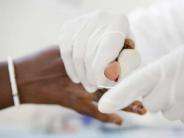
Criminalising HIV transmission will not help halt the spread of HIV – instead it will stop people from getting tested and increase the risk of further transmissions. more
My sister’s story: growing up with HIV, stigma and discrimination
In African cultures it’s expected that orphans will be taken care of but this does not necessarily apply to AIDS orphans. Claire shares a personal story. more
How HIV stigma silences people living with HIV in Barbados
Despite its small size and sense of community, stigma and discrimination is a major problem for people living with HIV in Barbados. Getting people to speak out is a struggle. more
Human rights must be central to HIV prevention efforts
Gautam gives a personal account of attending this year’s International AIDS Conference in Melbourne, where he puts HIV and human rights high on the agenda for the new post 2015 development goals. more
Zimbabwean government takes action against increasing rape
With the number of rape cases increasing in Zimbabwe, the government has launched a national campaign to tackle the issue, which is causing great trauma and new HIV infections. more
People who use drugs left behind by global funding gap
The fight to defeat HIV among those most at risk of infection may not be achieved as soon as hoped unless harm reduction services for people who use drugs receive appropriate funding. more
My story of living with HIV for more than 30 years
I was born with HIV and more than 30 years later I am still alive! I am sharing my story to comfort people newly infected with HIV as well as long-term survivors. more
“How I turned stigma into an opportunity to educate my neighbours”
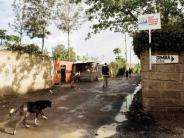
When Joy offered her neighbour’s children a mug of hot chocolate, little did she think she would be accused of infecting them with HIV. more
Police must play role in preventing HIV among criminalised groups
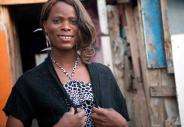
Delegates at the 20th International AIDS conference are tackling the issue of law enforcement policies and practices that often undermine the efforts of public health officials to reduce HIV transmission. more
Ivory Coast: sexual violence fuels HIV epidemic
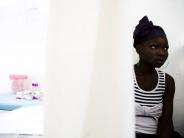
Three years after the Ivory Coast post-election crisis of 2010 ended, rape is still a major problem and the security situation for Ivorian women remains bleak. more

 Our correspondents are writing for change on HIV issues relating to young people, as well as drug use.