Opinion, comment and analysis on HIV
LGBT rights must be protected to ensure healthy lives for all
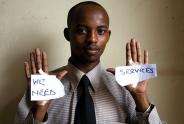
Next week, 193 governments will attend the United Nation’s General Assembly in New York to adopt new sustainable development goals. But how serious are they about ensuring no one is left behind in the goal to ensure healthy lives for all? more
Young people in desperate search for safer sex
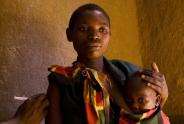
For young people in southern Africa a lack of access to condoms is putting them at risk of unwanted pregnancies and HIV, and could ultimately jeopardise their lives. more
Malawian song fuels HIV stigma
A recently released Malawian song mocking people living with HIV shows the extent to which some people can go to achieve fame, money and power. more
Communities and families neglected in HIV programmes
In Zimbabwe, many orphans living with HIV are cared for by extended families, particularly grandparents, yet very little of HIV programme funding goes direct to these carers. more
Towards a sustainable future: creating room for youths
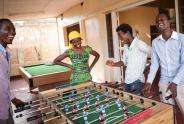
A new global plan for sustainable development will take centre stage at this year’s United Nation’s General Assembly, but the role that young people will play is still unclear. more
Amnesty International policy: sex workers v Hollywood stars

As the debate over sex work heats up, Amnesty International must listen to sex workers, not Hollywood stars, and finalise its draft policy calling for decriminalisation of sex work. more
The HIV epidemic: a glass half empty?
Now I’ve had time to reflect on what I heard at the International AIDS Conference, held in Vancouver last month, I have a glass half empty feeling. more
How empowering women helps HIV response
Women having control over choices about their lives, including their sexuality, is crucial in the fight against HIV and something Virginia Muwanigwa, chairperson of the Women’s Coalition of Zimbabwe, is keen to highlight. more
Uganda: midwives shortage hinders efforts to prevent HIV in children
Every day Mercy Nanyonga wakes up, she knows that she is going to help a pregnant woman bring new life into the world. more
Women demand investment in global HIV response
A coalition of African women are calling on governments to fully address cultural and traditional practices that continue to put women and girls at greater risk of HIV. more
International community must act to end violence against women
As a new international development agenda is finalised this year, policymakers must do more to address the link between violence against women and their vulnerability to HIV infection. more
Male involvement crucial to prevent HIV infection of babies
Preventing transmission of HIV from mothers to their babies is a huge global priority in the HIV response, but until recently the importance of involving men has not been recognised. more
Decriminalising homosexuality in Kenya will help reduce HIV
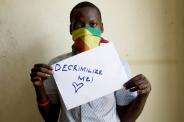
In Kenya, stigma and discrimination against sexual minorities, particularly men who have sex with men and transgender people, is putting them at increased risk of HIV. more
Hearing impaired adolescents excluded from sexual health education
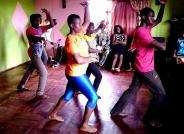
Around 14 per cent of adolescents in Nigeria are hearing impaired, yet their specific sexual health needs have long been ignored. more
Progress and missed opportunities at World Health Congress
As a medical professional attending the World Congress on Publich Health, I was keen to see how current priorities would be addressed, but the clear lack of community dialogue was disappointing. more
Uganda: women and girls bear burden of HIV caregiving
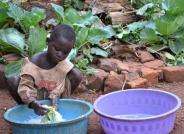
James Odong explores how the burden of caregiving falls heavily on girls, affecting their quality of life and education opportunities, as well as bringing added vulnerabilities. more
Kenya: churches’ claims to heal HIV put lives at risk
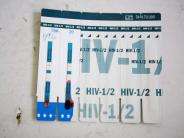
In Kenya, the church has built a reputation of faith healing many diseases – including HIV. But are churches complicating and undermining the government’s efforts to keep HIV in check? more
Africa must lobby for development goal on HIV
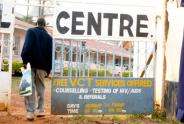
By September this year, the world will have a new set of sustainable development goals, but can these goals help cut HIV infections – especially among the most marginalised communities? more
African American history month: from civil rights to HIV
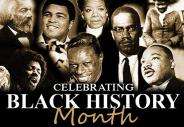
Every year, February is dedicated to African American history but this year I want to use the opportunity to address a modern equality issue that African Americans must fight for: equal access to HIV services. more
Nalia’s story: adolescents who sell sex in Ethiopia
When Nalia left her village for Addis Ababa, she expected to find a job and send money home to her family. Aged just 13, her choices were limited and she started selling sex. more
Are adolescents an invisible generation in HIV response?
As UNICEF and UNAIDS launch the All In to end Adolescent AIDS campaign, Owen Nyaka asks will it make a difference to the invisible generation of adolescents living with HIV? more
New platform for action on adolescent AIDS must tackle disclosure
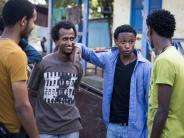
As leaders from around the world gather in Nairobi to launch ‘All In’ to end adolescent AIDS, Lucy Maroncha explores the issue of HIV disclosure, a key issue this initiative must tackle. more
“Why I am not scared of knowing my HIV status”
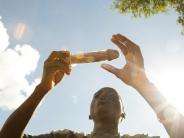
As UNAIDS and UNICEF launch All In! on 17 February, a global initiative to reduce the unnecessary deaths of adolescents living with HIV, this is the first in a series of stories on this issue. more
Where do prayers and food stand in HIV treatment?

Although prayers may have their place, Charles Pensulo explores different opinions to the role of religious leaders when it comes to treating HIV. more
Condom advert – HIV prevention or infidelity promotion?
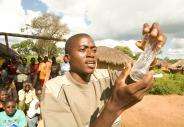
Kenyan religious leaders are outraged by a condom advert, while HIV activists are astonished at the ‘denial of reality’. more
The final push for HIV in new global development agenda
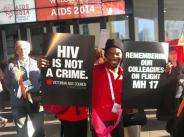
HIV activists must fight their corner in the global scrum to prioritise development issues post 2015. Marielle Hart offers valuable insights on what’s worth fighting for. more
“My children will not starve while I have my body to sell”
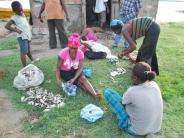
At Katwe-Kabatoro landing site on the shores of Lake George in Uganda’s Kasese district, the HIV epidemic is taking another twist. more
Addressing inequality is major health challenge of our time
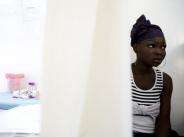
By the end of this year, the international community has to agree on a new set of sustainable development goals, ensuring universal health coverage must be a priority. more
Discriminatory laws hinder Burundi’s response to HIV
On Human Rights Day (10 December), Jean Claude Kamwenbusa reports on how the criminalisation of same sex relationships in Burundi is putting people’s health and lives at risk. more
Steps towards an HIV-free generation in Uganda
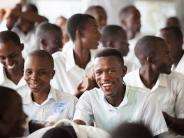
Worldwide an increasing number of children who contracted HIV as babies are surviving into adolescence, even without medication, but many are dying before treatment can be initiated or be effective. more
Why we should all get tested for HIV in 2014
Two days after World AIDS Day (1 December), I’m sure many people will have put the issue of HIV out of their mind, but it’s not an issue we can afford to think about just once a year. more
Lesbians: the forgotten sexual minority in the HIV response
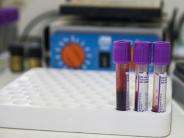
In Kenya, lesbians, are marginalised and often lack access to sexual health and HIV services. When Brenda was raped to ‘cure’ her of being lesbian, she was left with HIV which she passed on to her female partner. more
Female condom empowers Ethiopian sex workers to prevent HIV
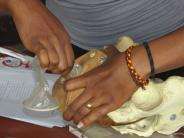
A year on from the introduction of a new female condom in Ethiopia, Befekadu Beyene explores what impact it is having on the lives of young women, including sex workers. more
Ugandan government must make CD4 testing accessible in rural areas
Many hospitals have still not received equipment promised by the Ministry of Health to help hospitals in Uganda measure the number of infection-fighting white blood cells in a patient’s blood. more
Daily pill should be part of a combined approach to preventing HIV
A ‘magical’ pill, popularly known as Truvada, emerged in the HIV community a few years ago but is continuing to cause controversy. more
Young people: the key to ending AIDS by 2030
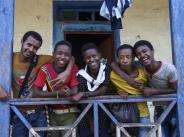
What do you a call a group of young people including lesbians, gays, bisexuals, transgenders, sex workers and drug users? No, this isn’t a joke – it couldn’t be further from a joke. more
The right to health: a post 2015 dream or an achievable goal?
How many times have you, or a family member, visited a doctor during the last five years? Well, according to the World Health Organization 1 billion people have never had that chance. more
Invest in women and girls for a better world by 2030
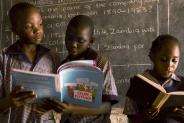
Elena Obieta reports from the Social Good Summit in New York and reflects on the type of world she wants to live in by the year 2030. more
Criminalising HIV will stop people knowing their status
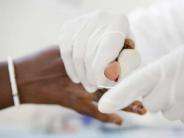
Criminalising HIV transmission will not help halt the spread of HIV – instead it will stop people from getting tested and increase the risk of further transmissions. more
Properly equipped health facilities needed to address maternal mortality in Ivory Coast
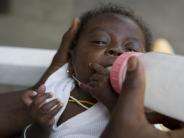
When Tanoh Marie felt her contractions she understood that delivery time was near. But things didn’t go as planned. more
How HIV stigma silences people living with HIV in Barbados
Despite its small size and sense of community, stigma and discrimination is a major problem for people living with HIV in Barbados. Getting people to speak out is a struggle. more
Human rights must be central to HIV prevention efforts
Gautam gives a personal account of attending this year’s International AIDS Conference in Melbourne, where he puts HIV and human rights high on the agenda for the new post 2015 development goals. more
Kenya needs to step up game with 500 days to MDG deadline
Too many mothers in Kenya are still dying in childbirth with just 500 days to go to the Millennium Development Goal of reducing deaths to 147 per 100,000 live births. more
Young people must play leading role in HIV advocacy
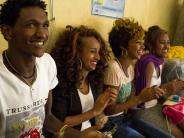
Delegates at the AIDS 2014 conference (20-25 July) are recognising that young people are the future and it is vital to empower them to take a leading role in the response to HIV. more
Police must play role in preventing HIV among criminalised groups
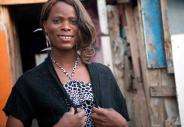
Delegates at the 20th International AIDS conference are tackling the issue of law enforcement policies and practices that often undermine the efforts of public health officials to reduce HIV transmission. more
We must step up the pace to end AIDS
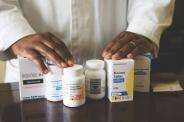
The United Nations is setting a target to end AIDS by 2030. To achieve this, all those involved in the response have to step up the pace: this is the AIDS 2014 theme. more
Communities must remain at the forefront of HIV response
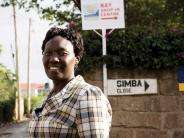
Debate at AIDS 2014 is putting a spotlight on governments and policymakers who are failing to involve communities in HIV and TB programmes, turning instead to researchers and experts to make key decisions. more
Polygamy in Kenya: a legal way to spread HIV?
A controversial new marriage bill legalising polygamy in Kenya has triggered outrage, with HIV activists claiming it may increase HIV infections among married couples. more
Elongating the labia minora: a right or a health risk?
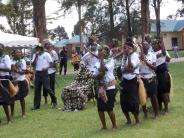
The practice of elongating the labia minora of the vagina is very common in Uganda but rarely discussed openly. Yet there are many questions about the practice that need to be answered. more
A major paradigm shift is needed in the politics of HIV
As an international AIDS conference draws to a close, Elena Obieta reflects on the new HIV treatment guidelines launched by the World Health Organization on 30 June. more
To criminalise or not criminalise people who use drugs: that is the question
In Kenya, in a tiny holding cell at a police post reeking of urine, vomit and human waste, Moha is crouched in one corner. more
Vanishing point: where is HIV at this year’s G8 summit?
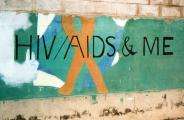
As the G8 summit kicks off on 17 June, three main priorities are being discussed: trade, tax and transparency. But where are global poverty, malnutrition and health on the agenda? more
Invest in women for a healthier post-2015 world
As the expiry date looms for the Millennium Development Goals, advocates are demanding girls and women are prioritised in taking forward the post 2015 development agenda. more
Strengthen community in health services: key to stopping HIV stigma
“We are giving great care and services to our cars daily but we have failed to give the same treatment to women living with HIV/AIDS. Women deserve special attention and we must give them services.” more
Self-stigma: A silent killer of people living with HIV/AIDS
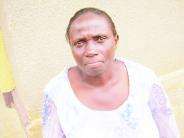
“I used to pass in a short cut from my home to the hospital to seek medical treatment as if I was a thief. I was afraid of neighbors knowing that I was going to get my ARVs and whenever … more
‘Marcus’: Is it Poverty, Pleasure or Lifestyle to Engage in Sex Work?
Marcus found his way on to the streets to try and make ends meet and this is what led him into being a sex worker. more
Blame and HIV: views from Soroti town, Uganda
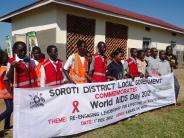
The government should address how its own officials understand HIV. Not doing so allows blame and stigma to flourish - and this puts more people, not less, at risk argues Williams Moi. more
The fear of testing for HIV still exists: Part II
Following efforts to convince my friend to have an HIV test she committed to taking one. Fortunately she was found to be HIV negative. To her, testing was “a difficult and harrowing experience” but she says she is glad to have gone through it. more
Literacy vital for the protection of women from HIV and unwanted pregnancies
Illiteracy is hindering women in Mozambique from preventing unwanted pregnancies and HIV leading to a higher mortality rate for mothers, a health specialist has said. more
Born HIV free: the difference men can make
“If it wasn’t for my husband’s support and care, my two boys would be HIV positive…I think men’s involvement in prevention of mother to child transmission is very important and I have a reason to say it now,” reveals Stella Katusabe, an HIV-positive woman from Kasese. more
Media coverage ‘key to AIDS free generation’
An AIDS free generation is attainable through continued media coverage and proactive government communication, a former CNN senior medical reporter has said. more
Treatment as prevention: Network of Zambian People Living with HIV comments
The Network of Zambian People Living with HIV (NZP+) has commented on a recent statement made by Professor Paolo Marandola from the University of Pavia in Italy that HIV and AIDS ‘would be stopped if all HIV positive people were put on treatment regardless of their CD4 count.’ more
Discrimination against sex workers - who needs sensitization?
The sun is scorching and the day does not seem very welcoming for Grace*, a sex worker in Makindu town within Makueni county, Kenya. Yesterday was not a good day for the 24-year-old mother of two. more
AIDS 2012: Time for Women to take control of HIV prevention
Women are more likely to be infected with HIV than men due to a combination of culture and biology. And yet women have had little control over most prevention methods. more

 Our correspondents are writing for change on HIV issues relating to young people, as well as drug use.