
HIV prevention and treatment
HIV remains one of the world's most significant public health challenges, particularly in low- and middle-income countries.
From condom access to community sensitisation, Key Correspondents document the reality of HIV prevention and treatment in their communities. Key Correspondents will also report stories such as why HIV testing and prevention initiatives are working or failing and whether people in their community are able to access HIV counselling, testing and treatment.
Misuse of antiretrovirals poses threat to HIV success story
In Kenya, misuse of life-saving antiretroviral drugs may be undermining the world’s greatest achievement to date in response to HIV. more
Zambia: 23 babies born with HIV daily says UNAIDS
UNAIDS’ Zambia country director says that despite good progress made in responding to HIV in the last ten years, Zambia is ranked tenth globally for the highest number of people living with HIV. more
Ugandan government warns against complacency in HIV response
Despite a massive HIV response in Uganda, 380 people still get infected with HIV every single day. more
Malawi mayor: personal responsibility key to HIV fight
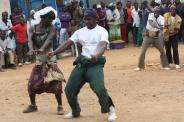
Measures to reduce the spread of HIV are bearing fruits in Malawi, but failure by some people in top positions to participate is also impeding progress, says the Mayor for Blantyre City Council. more
Fishing communities in Uganda at high risk of HIV

Condoms are supplied free in many places around the world, but a limited supply at fishing sites in Uganda, is fuelling the spread of HIV in fishing communities. The lack of free condoms means some fishermen do without them, while … more
AIDS levy raises millions to fund Zimbabwe’s HIV response
A senior Zimbabwean health official has revealed how money collected through the country’s AIDS levy is funding the national response to HIV. more
New African center to tackle infectious diseases
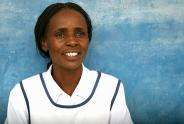
Spurred on by the recent Ebola outbreak, an African Center for Disease Control and Prevention is being established this year to effectively respond to major epidemics. more
Zimbabwe’s female condom success story takes new form
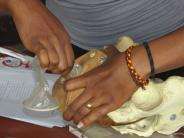
Zimbabwe’s Ministry of Health is currently gathering evidence on acceptance of a new Cupid Female Condom before rolling it out. more
The legacy of one woman’s dream to help people with HIV
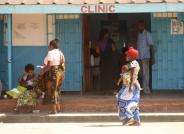
The son of the late Auxillia Chimusoro, who was the first woman to publicly disclose her HIV positive status in Zimbabwe in 1989, is ensuring his mother’s work lives on. more
Zimbabwe to see first HIV vaccine trial
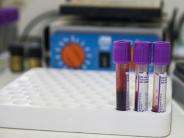
Zimbabwean scientists, in collaboration with a global consortium of researchers, are preparing to conduct the country’s first ever HIV vaccine trial as part of the global effort to find a lasting solution to the spread of HIV. more
Civil society to step up action on HIV treatment
Although the cost of HIV treatment has significantly declined over the last decade, access to comprehensive HIV services remains low especially in Africa. Civil society must step up its game to change this. more
Where do prayers and food stand in HIV treatment?

Although prayers may have their place, Charles Pensulo explores different opinions to the role of religious leaders when it comes to treating HIV. more
Zimbabwe launches new plan for voluntary male circumcision
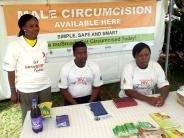
Zimbabwe has launched a voluntary medical male circumcision accelerated operational plan as part of a bigger process to fight HIV and AIDS in the country over the next four years. more
Condom advert – HIV prevention or infidelity promotion?
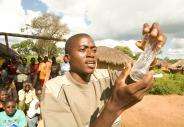
Kenyan religious leaders are outraged by a condom advert, while HIV activists are astonished at the ‘denial of reality’. more
Who’s to blame for misuse of HIV drugs in Kenya?
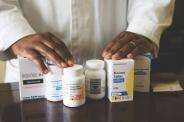
Reports of sex workers misusing HIV drugs have left activists wondering if the government invested enough in HIV education before purchasing medicine, worth 4 billion Kenyan shilling. more
Condom rebrand vital to curb new HIV infections among Malawi’s youth
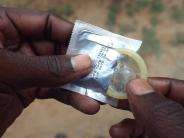
Condoms have become increasingly unpopular among young people in Malawi, contributing to high HIV transmission rates. more
Hope for the co-infected with HIV and killer parasitic disease
The search for new treatment for patients co-infected with HIV and kala-azar is in its early stages, but researchers are certain a drug to treat the condition could be found in 2015. more
Why we should all get tested for HIV in 2014
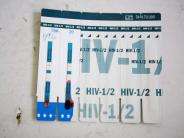
Two days after World AIDS Day (1 December), I’m sure many people will have put the issue of HIV out of their mind, but it’s not an issue we can afford to think about just once a year. more
Lesbians: the forgotten sexual minority in the HIV response
In Kenya, lesbians, are marginalised and often lack access to sexual health and HIV services. When Brenda was raped to ‘cure’ her of being lesbian, she was left with HIV which she passed on to her female partner. more
Female condom empowers Ethiopian sex workers to prevent HIV
A year on from the introduction of a new female condom in Ethiopia, Befekadu Beyene explores what impact it is having on the lives of young women, including sex workers. more
Cuba reforms its HIV treatment protocol
The Cuban health services are taking a great step forward in their response to HIV bringing in the latest antiretroviral treatments and expanding therapeutic treatment to reach a further 5,000 people. more
Ugandan government must make CD4 testing accessible in rural areas
Many hospitals have still not received equipment promised by the Ministry of Health to help hospitals in Uganda measure the number of infection-fighting white blood cells in a patient’s blood. more
Daily pill should be part of a combined approach to preventing HIV
A ‘magical’ pill, popularly known as Truvada, emerged in the HIV community a few years ago but is continuing to cause controversy. more
Poor roads disrupt HIV patients’ access to treatment in Uganda
Poor roads in Uganda, especially at landing sites at Kigugo Island, are making it difficult for HIV positive patients to access treatment at St Francis Hospital in Nkokonjeru. more
Ugandan activists fear ‘nonsensical’ HIV law increases infection of children
HIV activists fear Uganda’s HIV and AIDS Prevention and Control Act is having the opposite effect and causing people to shy away from seeking treatment. more
Uganda fails to keep up with demand for HIV drugs
Despite a remarkable increase in access to HIV treatment over the last decade, the number of people in need of antiretroviral drugs in Uganda continues to outpace the response. more
Malawi lags behind with HIV self-testing kits
With many people frightened to go to public hospitals to be tested for HIV, in case someone sees them, home-testing kits could be the ideal solution - if only they were legal. more
Alarm over rising co-infection of HIV and parasitic killer kala-azar

Scientists are concerned over the rising number of cases of kala-azar, a parasitic disease spread by sandfly bites, among people living with HIV. more
Zimbabwe government to scale up anti-retroviral therapy services
Wallace Mawire reports from Zimbabwe on the Ministry of Health and Child Care’s plans to scale up anti-retroviral therapy services by the end of 2014, amid concerns over the current huge deficit. more
Uganda: taxi drivers and fisher folk show little appetite for condom use
Taxi drivers, fisher folk, young people out of school and sex workers are among the most at risk of HIV and Mildmay Uganda is tackling the issue with a three-year project. more
HIV drugs misused to “fatten” chickens and ferment Malawi gin
People in Malawi are buying life-saving antiretroviral drugs meant for people living with HIV, and misusing them to brew gin as well as fattening livestock. more
Widows in Kenya tackle HIV in their community
When Jacinta Mulatia tested positive for HIV in 2003 it came as a shock to her, she was confused and unsure what to do when faced with extreme stigma in her community. more
Non-adherence to medication threatens Cambodia’s zero AIDS deaths target
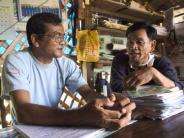
The Cambodian Government has committed to reaching zero AIDS-related deaths by 2020. But the number of deaths among people who are living with HIV continues to rise. more
Beyond AIDS 2014: hoping for a revolution
I’m just back from AIDS 2014 in Melbourne, Australia and hoping it won’t be another conference relegated to the past, but a building block for forward momentum. more
World Hepatitis Day: Malawi fails to act on public health threat
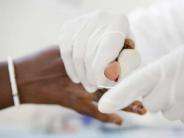
Hepatitis is a global public health problem affecting millions of people every year, yet Malawi shows no sign of safeguarding its citizen from its devastating health consequences. more
HIV eradication remains challenging milestone for scientists
The cure of HIV remains one of the most sought after medical research issues of all time. Despite advances have the goal of preventing or curing HIV still seems to remain out of reach. more
More funding needed for TB-HIV co-infection
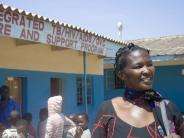
HIV and TB advocates say failure by donors and governments to invest more in these diseases may thwart efforts to end both epidemics resulting in thousands of preventable deaths. more
We must step up the pace to end AIDS
The United Nations is setting a target to end AIDS by 2030. To achieve this, all those involved in the response have to step up the pace: this is the AIDS 2014 theme. more
Safe from harm: reducing HIV among people who use drugs in Cambodia
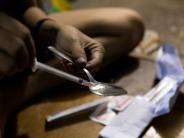
As the 20th International AIDS Conference gets underway, three leading HIV and drugs organisations are warning that global funding for HIV prevention for people who inject drugs is in crisis. more
Demand in sex industry for unsafe sex hampers fight against HIV

A Zambian sex worker living with HIV says efforts to reduce new HIV infections are being hampered by demand for unprotected sex, which comes at a higher price. more
South Sudan: huge drop in treatment rates for people living with HIV
South Sudan’s Ministry of Health says only 6,800 people living with HIV are receiving treatment, less than half the number who enrolled for treatment a year ago. more
The challenge of responding to HIV in the Indian desert
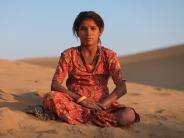
The Thar Desert of India in the state of Rajasthan is the most densely populated desert eco system in the world, and a particularly challenging landscape for responding to HIV. more
Ivory Coast: “Why did my wife stop taking life-saving HIV medication?”
When Leonine died of AIDS-related illness, her husband was shocked to discover she’d stopped taking her life-saving medication. more
One man’s struggle to get HIV treatment for his village
Osborn is a determined man who cycles more than 30 km from his village at least five times a month to get HIV medication for friends and neighbours. more
Malawi makes strides on HIV national response
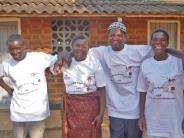
Since the first case was reported at Kamuzu Central Hospital in Malawi’s capital Lilongwe in 1985, HIV prevalence is declining and stabilising. more
Benjamin’s story: breaking the silence on being born with HIV
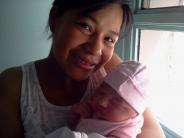
Thanks to Benjamin, who was born with HIV, his mother and father have learned to live positively. Benjamin now has a new baby sister who was born free of HIV. more
Zimbabwe: Male celebrities get circumcised in response to HIV
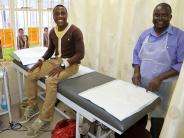
Musicians and soccer stars are among a group of Zimbabwean celebrities who have undergone male circumcision as a symbolic and practical act to fight HIV. more
New approach needed in Cambodia to reach zero AIDS-related deaths
The goal to reach zero new infections in Cambodia by 2020 will not be possible without new innovative approaches to provide people living with HIV with antiretroviral therapy. more
South Sudan: sex workers use emergency drugs instead of condoms
At least 150,000 people in South Sudan are living with HIV. Despite this, some sex workers are having unprotected sex. more
YMCA encourages young people to know their HIV status in South Sudan
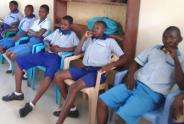
The YMCA has brought HIV services closer to young people in Western Equatoria, South Sudan. more
Ugandan men steal AIDS drugs from wives
Ugandan men who are living with HIV but are not open about their status are stealing antiretroviral medication from their wives who get the drugs from health facilities. more
Myths affecting Uganda’s male circumcision policy to tackle HIV
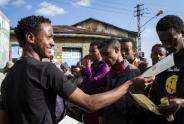
Ugandan government efforts to reduce the spread of HIV, through male circumcision are being hindered by the misconceptions of Christians who think it is aimed at converting them to Islam. more
Experts link hunger to AIDS in Africa
Experts have warned that poor nutrition may be a factor in accelerating the spread of HIV in Africa and could slow treatment and care for people living with AIDS. more
Malawi: the challenge to earn a living when you live with HIV
“The biggest crime I committed is revealing my sero-status,” said Esther Changa, 55, who tested positive for HIV in 2005. more
Transgenders: the forgotten community
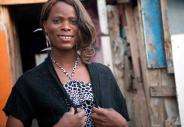
As South Africa hosts the International Conference on AIDS and STIs in Africa, one underserved community is crying foul, claiming they have been left out of HIV programmes. more
HIV epidemic among men who have sex with men: The Lancet Series
Gay, bisexual and other men who have sex with men are among those most as risk of HIV infection due to a combination of biological and social factors. more
Ugandan leaders get public HIV tests to lead by example
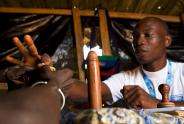
A whopping 48% of Ugandans don’t know their HIV status, prompting local leaders to set an example by getting tested in the run-up to World AIDS Day on 1 December. more
How revealing your HIV status to someone you trust can help
People who test HIV positive should reveal their status to those they trust so they can receive the support they need. more
Preliminary health survey results show gender shift in HIV
In the Ivory Coast, findings from a demographic health survey describe changes in the HIV epidemic in terms of gender, age, and geographic distribution. more
Rogue herbalists fleece people living with HIV in Kenya
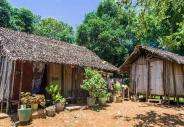
A promise for a cure that would release Jesse Ng’ang’a from the daily intake of antiretroviral drugs saw him visit one of the many cure-it-all herbalists in Gilgil town. more
Lack of HIV test kits in Uganda put unborn babies at risk
In Uganda health facilities are facing an ongoing crisis with a shortage of supplies which are putting unborn babies at risk of HIV and other infections. more
The importance of educating people about condom use in Uganda
In Uganda, sensitivity around talking about condoms in public makes it necessary for community leaders to speak openly about the importance of safer sex. more
Is the new UNAIDS Treatment 2015 framework a solution to end AIDS?
UNAIDS is urging countries to rapidly expand access to antiretroviral medication to maximise benefits of HIV prevention and treatment in a bid to meet the 2015 goal to combat HIV. more
Fake husbands go for HIV tests in Uganda
In Uganda, many men have such a fear of being tested for HIV they are going to extreme lengths to avoid finding out their status, often to the detriment of their wives and children. more

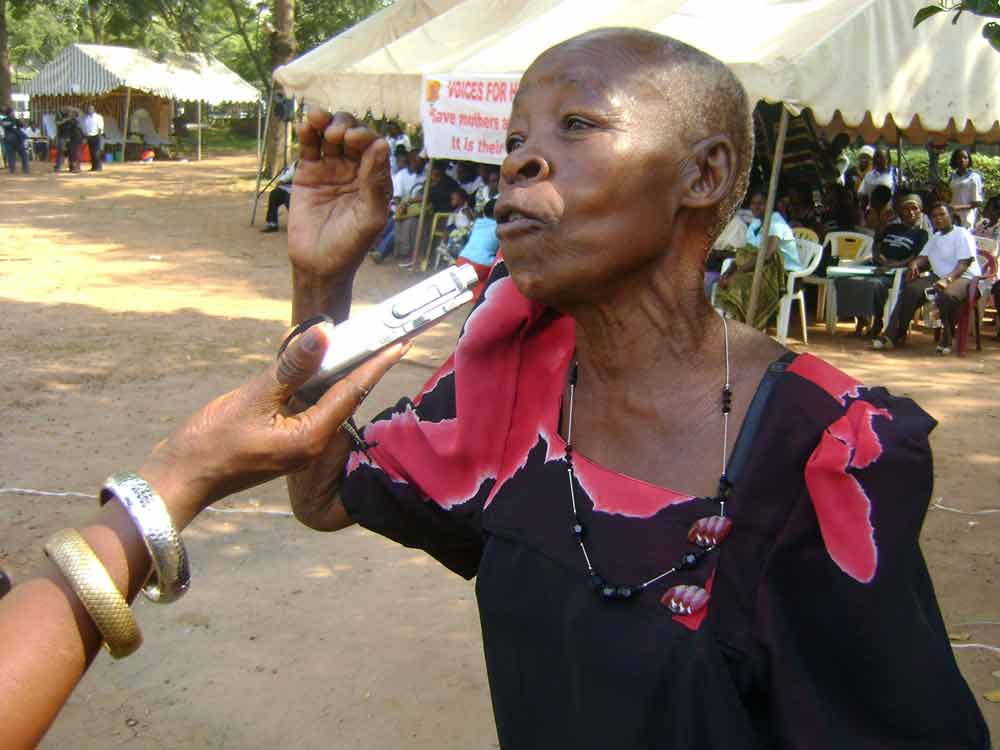
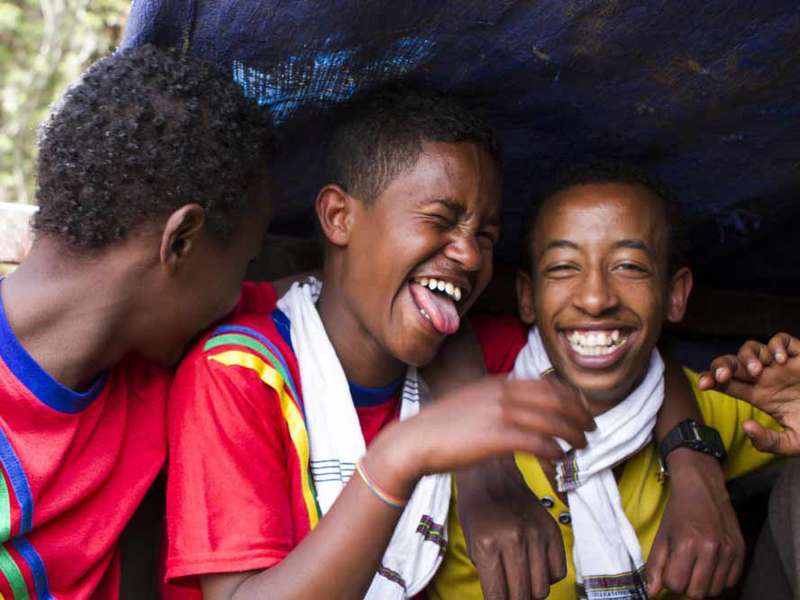 Our correspondents are writing for change on HIV issues relating to young people, as well as drug use.